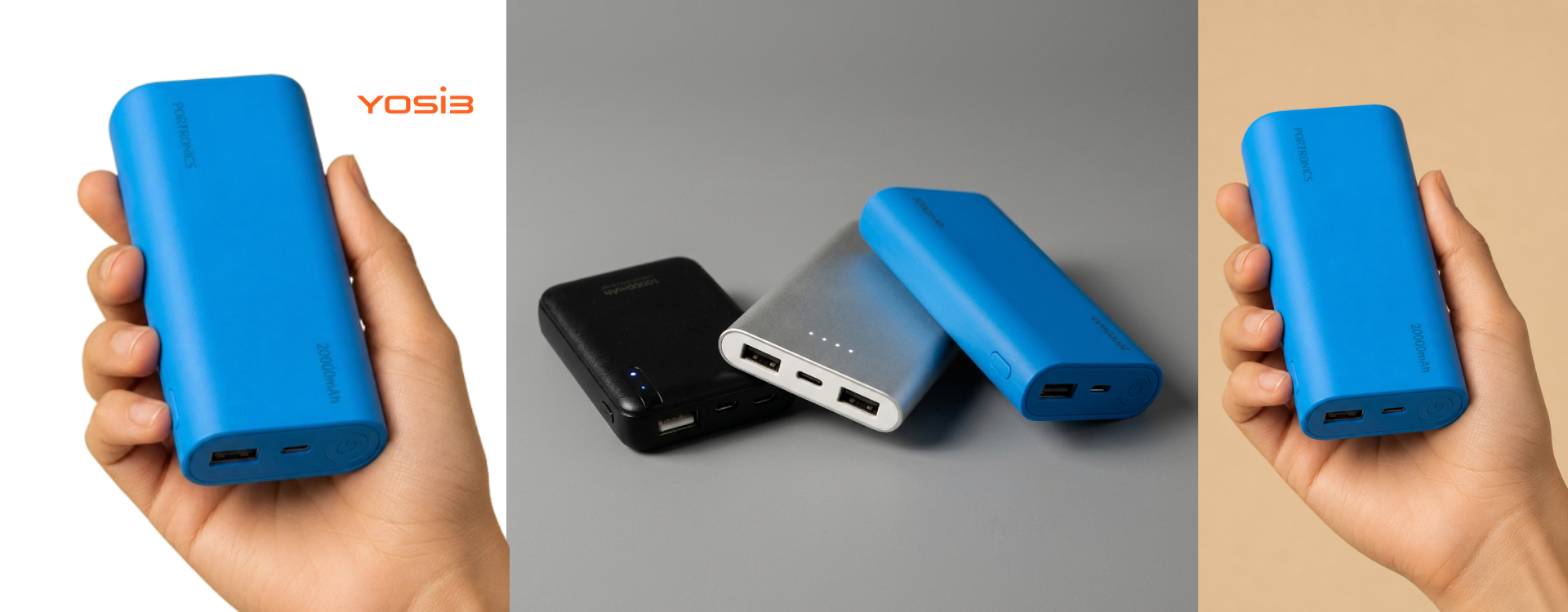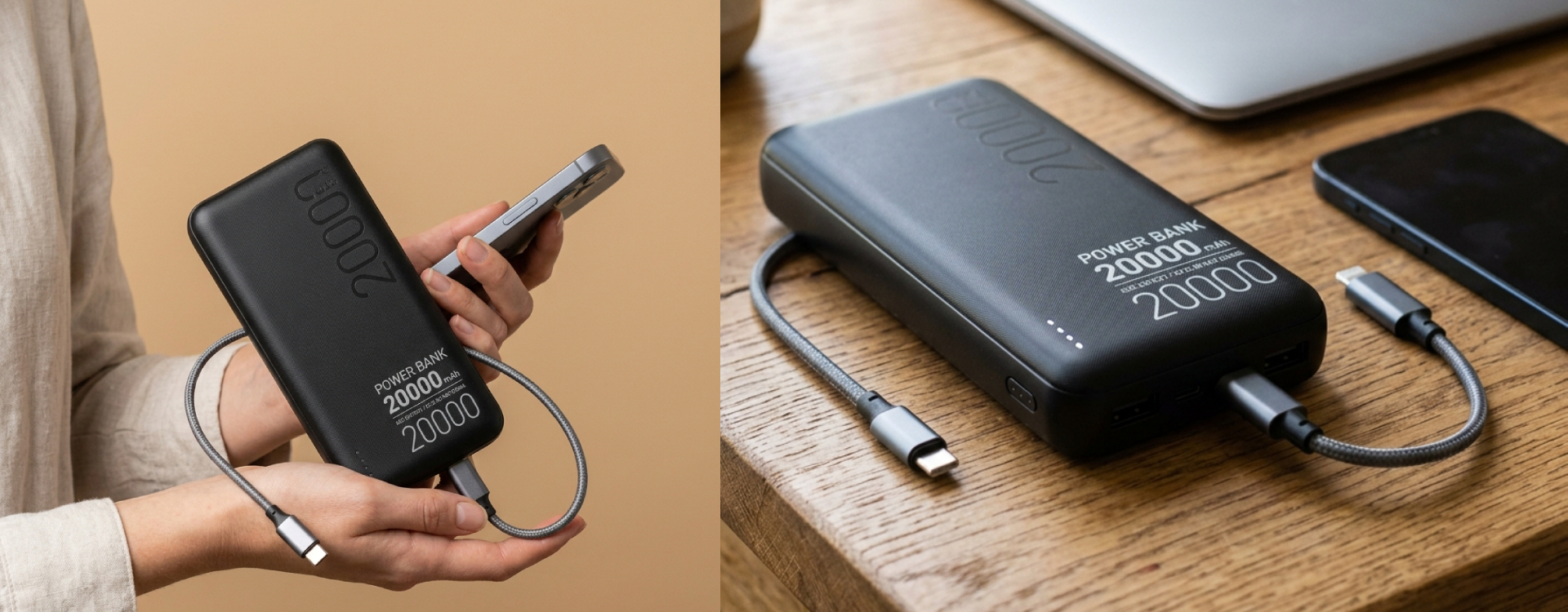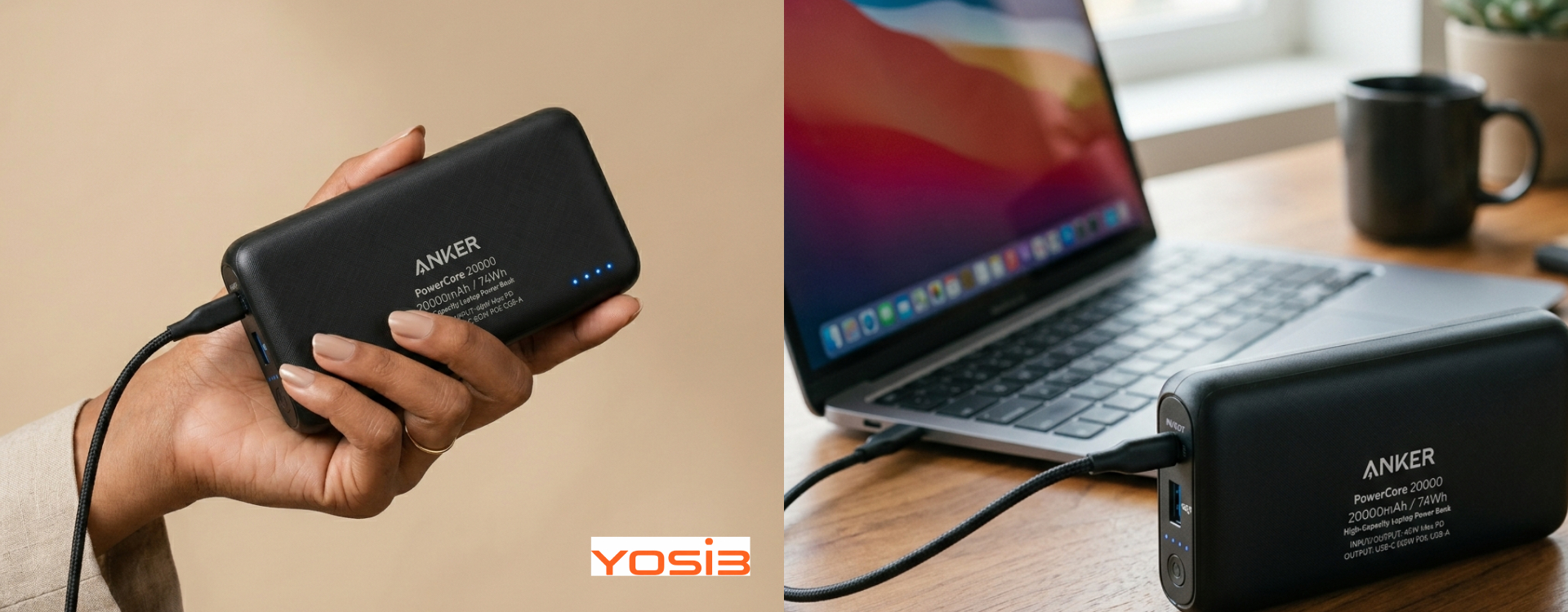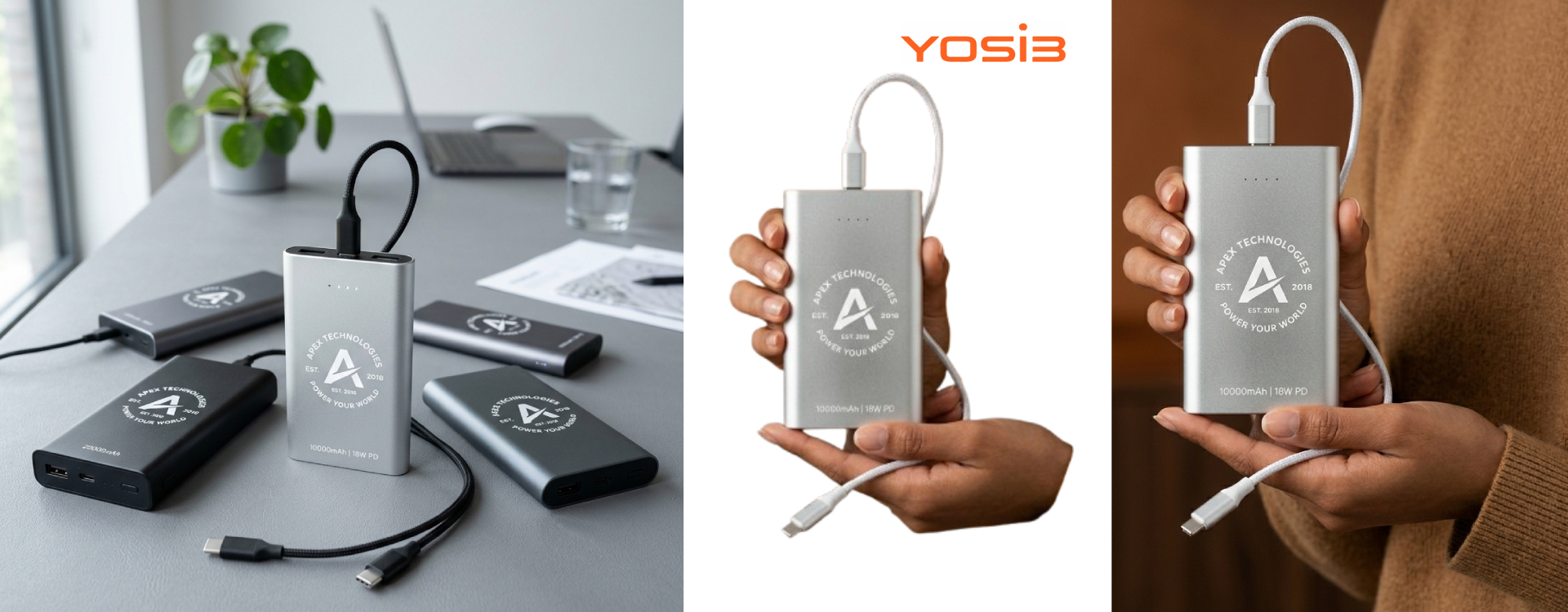
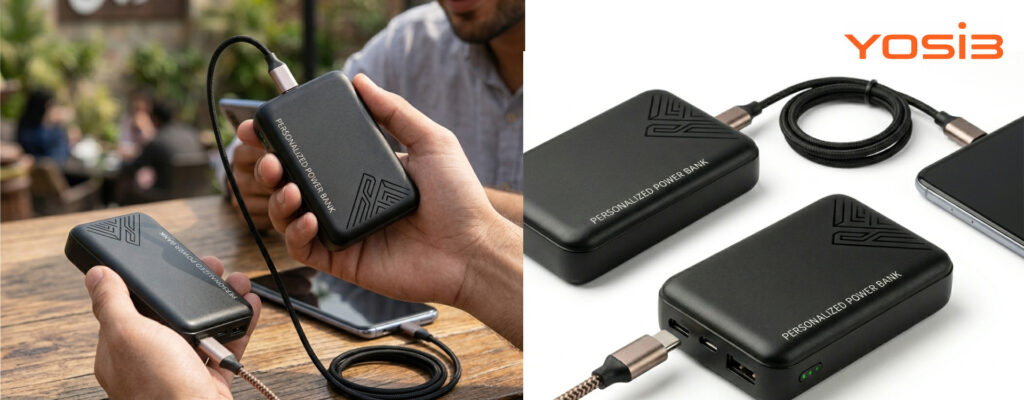
In the rapidly evolving landscape of corporate branding and promotional marketing, selecting the right tech accessories is crucial for making a lasting impression. A personalized portable power bank serves not only as a functional device but also as a powerful billboard for a company’s brand identity. As businesses move toward more sophisticated marketing strategies in 2025, the demand for high-quality, custom-engineered electronic gifts has surged. This guide provides a comprehensive framework for wholesale buyers and B2B procurement managers to navigate the complexities of selecting the perfect power bank that aligns with their logistical needs and branding goals.
The modern professional relies heavily on connectivity, making power banks an essential utility. However, the market is saturated with varying qualities and customization options. To maximize return on investment (ROI), buyers must look beyond mere capacity and consider the longevity of the device and the durability of the branding. This analysis explores the critical factors involved in procuring printed power banks, ensuring that businesses can make informed decisions that enhance brand visibility and customer loyalty.
1. Why a Personalized Portable Power Bank Is Essential for Modern Branding
The shift toward experiential marketing has necessitated that promotional products offer both utility and aesthetic appeal. A personalized portable power bank sits at the intersection of these two requirements, providing a daily-use item that keeps a brand literally in the hand of the client. Unlike stationary merchandise like mugs or pens, a power bank travels with the user, extending the brand’s reach to offices, airports, and social gatherings. This mobility ensures that the logo or brand message receives repeated exposure over an extended period, significantly increasing brand recall rates compared to static advertising mediums.
Market data from 2025 indicates that promotional products with high electronic utility generate a retention rate of over 80%, far outstripping traditional promotional items. When a company invests in a personalized portable power bank, they are investing in a long-term relationship rather than a momentary interaction. The device becomes a lifeline during critical moments—such as when a client’s phone battery dies during a business trip—creating a psychological association between the brand and reliability. This emotional connection is a potent tool for B2B relationship building, fostering goodwill and trust that are difficult to achieve through digital marketing alone.
Furthermore, the customization available for these devices allows for sophisticated brand storytelling. Advanced printing technologies now enable full-color, high-definition wraps that turn a standard battery pack into a premium accessory. By utilizing the entire surface area for branding, companies can display their website, contact information, or specific marketing campaigns in a visually striking manner. This level of customization transforms the power bank from a commodity into a bespoke corporate asset that reflects the company’s commitment to quality and attention to detail.
Looking ahead to 2026, industry analysts predict a continued rise in the demand for smart promotional tech. As remote work and digital nomadism become further entrenched in the corporate culture, the reliance on portable power will only grow. Securing a supply of high-quality personalized portable power banks now positions a business to capitalize on this trend, ensuring their brand remains relevant and visible in an increasingly mobile world.
1.1 How Printed Power Banks Enhance Corporate Visibility
Printed power banks act as mobile advertisements that offer exceptional value per impression. Every time a user reaches for the device in a public space, whether it is a coffee shop or a conference hall, the brand is showcased to a potential audience. This passive form of advertising is highly effective because it is perceived as a helpful tool rather than an intrusive sales pitch. The subconscious association of the brand with the convenience of a charged device creates a positive halo effect, making recipients more receptive to future business engagements.
The longevity of these devices ensures sustained exposure over months or even years. Unlike digital ads that disappear after a few seconds, a well-made power bank provides thousands of impressions throughout its lifespan. For wholesale buyers, this durability translates to a lower cost per impression, making it a highly efficient line item in the marketing budget. By choosing high-quality materials and robust printing methods, businesses ensure that their logo remains vibrant and intact, reinforcing brand identity every time the device is used.
Customization options such as spot UV coating or embossing can add a tactile element to the branding, further enhancing the perceived value. When a client touches a textured logo or a high-gloss finish on a power bank, the premium quality of the item reflects back on the company that provided it. This sensory experience is crucial in luxury markets or high-end B2B services, where the quality of corporate gifts is often seen as a proxy for the quality of service provided.
Integrating printed power banks into a broader marketing campaign can also amplify message consistency. For instance, a company launching a new sustainability initiative can distribute eco-friendly power banks with matching green branding. This alignment of product values and marketing message strengthens the campaign’s impact, ensuring that the brand’s narrative is coherent and compelling across all touchpoints.
2. How to Evaluate Technical Specifications for Wholesale Orders
When sourcing personalized portable power bank units for a large corporate order, technical specifications must be scrutinized to ensure safety and performance. The primary metric, capacity (measured in milliampere-hours or mAh), dictates how many times a device can charge a smartphone or tablet. For general corporate gifts, a capacity between 5,000 mAh and 10,000 mAh is often considered the sweet spot, offering sufficient power for daily use without adding excessive bulk. Buyers must assess the typical usage patterns of their target audience to determine the optimal capacity, balancing portability with utility.
Beyond capacity, the output specifications are critical for user experience. Modern devices often require fast-charging capabilities to remain viable. A power bank that offers Power Delivery (PD) or Quick Charge (QC) technology provides a significant competitive advantage, allowing users to charge their devices rapidly. For a B2B audience, time is a precious commodity; providing a device that charges a phone in 30 minutes rather than two hours demonstrates a deep understanding of the professional’s needs and enhances the perceived value of the gift.
Battery cell composition is another vital technical consideration that impacts safety and longevity. High-quality personalized portable power bank units utilize Lithium-Polymer (Li-Po) batteries, which are lighter and safer than the older Lithium-Ion (Li-Ion) counterparts. Li-Po batteries are less prone to swelling and can be molded into thinner, more ergonomic shapes, which is essential for aesthetic customization. Wholesale buyers should prioritize suppliers that use Grade A cells to ensure the devices do not pose a fire hazard and maintain their charge retention capabilities over hundreds of cycles.
Circuit protection mechanisms are the unsung heroes of a reliable power bank. Over-current, over-voltage, and short-circuit protection are non-negotiable features that safeguard both the power bank and the device being charged. In a wholesale context, a batch failure due to poor circuitry can cause reputational damage to the distributing company. Therefore, rigorous quality assurance testing and certification compliance (such as CE, FCC, and RoHS) are essential checkpoints in the procurement process to mitigate liability risks.
2.1 Which Safety Certifications Are Mandatory for Bulk Procurement
Safety compliance is the cornerstone of responsible wholesale procurement, particularly for electronic devices. When ordering printed power banks in bulk, buyers must verify that the products carry relevant international safety certifications. CE marking indicates conformity with health, safety, and environmental protection standards for products sold within the European Economic Area, while FCC certification is required for electronic devices in the United States. These certifications are not merely bureaucratic hurdles; they are assurances that the device has undergone rigorous testing to ensure it will not malfunction or cause injury.
The presence of UN 38.3 certification is particularly important for power banks, as it pertains to the safe transport of lithium batteries. This certification is mandatory for shipping lithium batteries via air, sea, or land, ensuring that the batteries are packaged and handled in a way that prevents thermal runaway during transit. For businesses involved in international trade or distributing gifts across borders, procuring UN 38.3 compliant personalized portable power bank units is essential to avoid costly shipping delays, fines, or confiscation of goods by customs authorities.
Underwriters Laboratories (UL) certification provides an additional layer of trust, particularly in the North American market. UL testing evaluates the risk of fire, electric shock, and injury. A UL-listed power bank signals to the end-user that the product meets the highest standards of safety integrity. In a B2B context, where the recipient company may have strict policies on the use of electronic devices in the workplace, providing UL-certified equipment ensures that the gift is compliant with corporate safety protocols and will not be confiscated or banned by IT departments.
Furthermore, adherence to environmental standards such as RoHS (Restriction of Hazardous Substances) demonstrates a commitment to sustainability. RoHS compliance restricts the use of specific hazardous materials found in electrical and electronic products. As corporate social responsibility (CSR) becomes a central pillar of brand identity for companies in 2025, distributing eco-compliant printed power banks reinforces the giver’s commitment to environmental stewardship, aligning the gift with the values of modern, conscientious businesses.
3. Which Customization Options Maximize Brand Impact
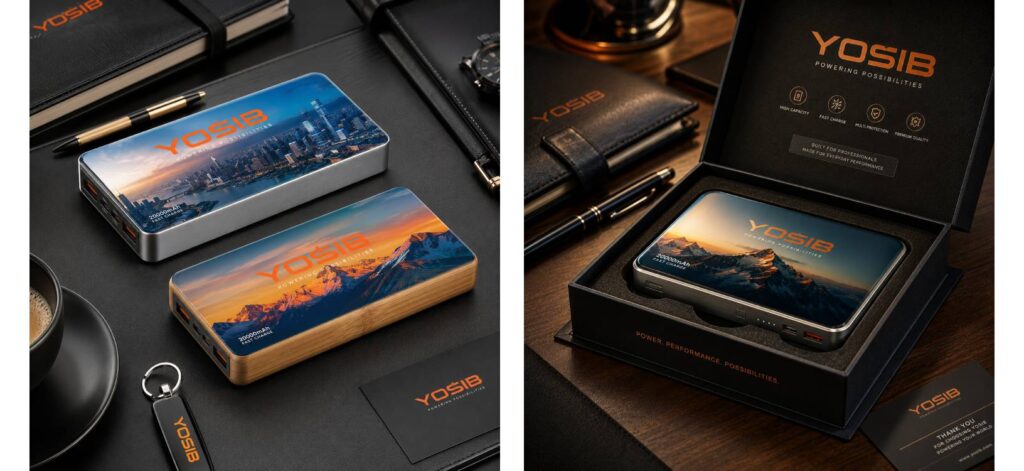
The visual appeal of a promotional product is often the primary driver of initial engagement. Selecting the right customization option is crucial for transforming a standard personalized portable power bank into a compelling brand ambassador. Full-color UV printing is currently the industry standard for high-impact branding, allowing for complex gradients, photorealistic images, and vibrant color reproduction. This technology is ideal for businesses that want to print intricate logos or lifestyle imagery directly onto the device, ensuring that the brand is represented with striking clarity and precision.
For a more understated and premium look, laser engraving offers a sophisticated alternative. Engraving removes the top layer of the power bank casing to reveal the material beneath, creating a permanent mark that will not fade or scratch off over time. This method is particularly effective on metal or hard-plastic finishes, providing a tactile and high-end feel that resonates well with executive-level gifting. While limited to single-color designs, the precision and durability of engraving convey a sense of permanence and quality that aligns with high-value B2B relationships.
Another emerging trend in 2025 is the use of doming labels, which involve applying a clear, resin-like coating over a printed sticker. This creates a 3D lens effect that magnifies the logo and adds a glossy, protective layer. Doming is an excellent choice for printed power banks where the goal is to make the logo “pop” visually. The texture and depth provided by the doming process invite touch, creating a multisensory experience that enhances brand recall. This method is versatile and can be applied to various surfaces, including curves, offering flexibility in design placement.
The choice of the power bank casing material itself is a customization strategy that speaks volumes about the brand. Sustainable materials like recycled plastic or bamboo are increasingly popular for companies looking to showcase their eco-credentials. Conversely, sleek aluminum finishes suggest cutting-edge technology and modernity. By carefully selecting the base material in conjunction with the printing method, businesses can create a personalized portable power bank that perfectly encapsulates their brand ethos, whether that is rugged durability, environmental responsibility, or technological elegance.
3.1 How a Personalized Photo Power Bank Creates Emotional Connections
The use of a personalized photo power bank represents a significant evolution in corporate gifting, moving beyond generic logos to create deeply personal connections. In the B2B sphere, these devices can be customized with team photos, images of a completed project, or a visualization of a collaborative goal. When a client receives a power bank featuring a photo that holds professional significance to them, it transforms the object from a simple accessory into a memento of a successful partnership. This emotional anchoring makes the client far less likely to discard the item, ensuring long-term brand retention.
Psychologically, humans are hardwired to respond to faces and personal imagery. A study on promotional product effectiveness in 2025 revealed that items featuring personal images or photos were kept 40% longer than those with standard corporate logos. For event marketers, distributing a personalized photo power bank that features a picture taken at the conference or trade show creates an instant “souvenir” effect. It serves as a tangible reminder of the experience and the connections made, keeping the hosting brand top-of-mind long after the event has concluded.
The technology behind full-color dye sublimation or high-resolution UV printing now makes it feasible to reproduce detailed photographs with stunning accuracy on small electronic devices. This capability allows for intricate designs that were previously impossible. A real estate company, for example, might gift a power bank featuring a photo of a property sold to a client, while a design firm might showcase a prototype rendering. The ability to print such specific, high-quality imagery demonstrates a level of customization and care that significantly elevates the client relationship.
Furthermore, these devices act as excellent conversation starters. A unique photo on a desk or a conference table inevitably draws questions from colleagues, providing the owner with an opportunity to recount the story behind the image—and by extension, the story of the business relationship that led to the gift. This organic word-of-mouth marketing is invaluable, as peer recommendations carry significantly more weight than traditional advertising. A personalized photo power bank is not just a charger; it is a narrative device that keeps the brand story alive.
4. Why Wholesale Sourcing of Custom Power Banks Is Cost-Effective
Procuring printed power banks through wholesale channels offers substantial economic advantages, particularly for businesses planning large-scale marketing campaigns or employee incentive programs. The primary benefit lies in economies of scale; as the order quantity increases, the unit cost decreases significantly. This tiered pricing structure allows marketing departments to stretch their budgets further, acquiring high-end tech gifts at a fraction of the retail price. For B2B procurement managers, maximizing budget efficiency without compromising quality is a key performance indicator, and wholesale sourcing directly addresses this need.
Wholesale manufacturers often provide access to direct customization services that would be prohibitively expensive if handled separately. By ordering directly from the factory or a specialized distributor, businesses eliminate the middleman, reducing markups and logistical complexities. This direct line of communication also allows for greater control over the production process, ensuring that the final product matches the exact specifications required. Whether it is selecting a specific Pantone color for the casing or arranging a complex multi-color print, wholesale suppliers offer the flexibility and technical expertise to execute custom orders with precision.
Inventory management is another critical factor where wholesale sourcing proves advantageous. Purchasing a bulk stock of personalized portable power bank units ensures that a company is always prepared for sudden marketing opportunities, trade shows, or client visits. Keeping a reserve of branded, high-quality tech items on hand eliminates the rush fees and expedited shipping costs associated with last-minute ordering. This preparedness reflects a well-organized professional operation and ensures that branding opportunities are never missed due to a lack of promotional materials.
Looking toward financial planning for 2026, the stability of wholesale pricing provides a hedge against market volatility. Electronic component prices can fluctuate due to supply chain disruptions or raw material shortages. Locking in a wholesale contract for printed power banks can secure fixed pricing for the fiscal year, allowing businesses to forecast their marketing expenditures accurately. This financial predictability is essential for strategic planning, enabling companies to allocate resources to other critical areas of growth while maintaining a consistent supply of branded collateral.
4.1 How to Select a Reliable Wholesale Partner for Custom Electronics
Choosing the right supplier is arguably the most critical step in the wholesale procurement process. A reliable partner for a personalized portable power bank should have a proven track record of delivering high-quality electronic products. Buyers should request samples to evaluate the build quality, print fidelity, and charging performance firsthand. Testing a sample mitigates the risk of receiving a subpar batch and provides a tangible reference point for quality assurance standards. A supplier hesitant to provide samples is often a red flag, indicating potential issues with product consistency or confidence in their manufacturing processes.
Production capacity and lead time transparency are vital considerations for B2B transactions. A professional wholesale supplier should be able to guarantee production schedules that align with the buyer’s marketing calendar. Late delivery of promotional items can derail event launches and cause significant operational headaches. Suppliers with robust manufacturing facilities and established logistics networks can offer expedited production times if necessary, providing the agility needed in today’s fast-paced business environment. Clear communication regarding realistic timelines is a hallmark of a trustworthy B2B partner.
After-sales support and warranty policies differentiate a commodity supplier from a strategic partner. Electronic devices can occasionally fail, and a supplier that stands behind their products with a comprehensive warranty demonstrates confidence in their quality. Procurement managers should clarify the warranty terms for printed power banks before finalizing the contract. Understanding the process for returns, replacements, or refunds protects the buying company from financial loss and reputational damage in the event of product failure.
Finally, evaluating the supplier’s compliance with international labor and environmental standards is increasingly important. Modern businesses are held accountable for the ethics of their supply chains. Partnering with a supplier that adheres to fair labor practices and environmentally friendly manufacturing processes aligns with the CSR goals of the buying company. Ensuring that the personalized portable power bank is produced ethically adds value to the product, allowing the buyer to proudly present the item, knowing it was sourced responsibly.
Conclusion
Selecting the best personalized portable power bank involves a strategic balance of technical performance, aesthetic customization, and reliable procurement. By understanding the nuances of battery capacity, printing technologies, and safety certifications, businesses can leverage these powerful devices to enhance their brand visibility and foster stronger client relationships. Whether through the broad appeal of printed power banks or the emotional resonance of a personalized photo power bank, the right choice can serve as a enduring symbol of a company’s commitment to quality and innovation.
As we look toward the trends of 2026, the integration of utility and personalization will continue to dominate the promotional landscape. Businesses that invest in high-quality, custom tech accessories now will position themselves as forward-thinking leaders in their respective industries. It is essential to partner with reputable wholesale manufacturers who can deliver not just a product, but a comprehensive branding solution that meets the rigorous demands of the professional market.
To ensure your next corporate gift leaves a lasting impression, prioritize quality, safety, and meaningful customization. Explore the vast possibilities of custom power technology today and secure a branding tool that will keep your business charged and connected for years to come.
Frequently Asked Questions
1. What is the ideal capacity (mAh) for a corporate personalized portable power bank?
For general corporate use, a capacity between 5,000 mAh and 10,000 mAh is recommended. This range provides enough power to fully charge a standard smartphone at least once or twice while remaining compact and portable. Higher capacities (20,000 mAh+) are available but are heavier and better suited for travel-intensive clients or specific industries where extended power is necessary.
2. What is the difference between UV printing and laser engraving for printed power banks?
UV printing allows for full-color, high-definition images, making it perfect for complex logos or gradients. Laser engraving, on the other hand, etches the design directly into the material, resulting in a permanent, single-color mark that feels premium and will not fade over time. UV printing is ideal for vibrancy, while engraving is best for a sophisticated, durable finish.
3. How can a personalized photo power bank benefit my B2B marketing strategy?
A personalized photo power bank creates an emotional connection by featuring specific imagery, such as team photos, project renders, or event highlights. This transforms the device from a generic promotional item into a memorable keepsake. It increases the likelihood that the client will retain and use the device, leading to long-term brand exposure and a stronger professional relationship.
4. Which safety certifications should I look for when buying wholesale?
You should ensure the power banks have CE certification for Europe, FCC certification for the USA, and UN 38.3 for safe transport. Additionally, look for UL certification and RoHS compliance to guarantee the product meets high safety and environmental standards. These certifications protect your business from liability and ensure the devices are safe for daily use.
5. Why is Lithium-Polymer (Li-Po) preferred over Lithium-Ion (Li-Ion) for custom gifts?
Lithium-Polymer batteries are generally safer, lighter, and more flexible in shape than Lithium-Ion batteries. This flexibility allows for slimmer, more ergonomic designs that are easier to customize and brand. They are also less prone to swelling, making them a more reliable choice for a high-quality personalized portable power bank that reflects well on your brand.
6. What are the lead times for a wholesale order of custom power banks?
Lead times typically vary based on the complexity of the customization and the order quantity, but standard production usually takes between 2 to 4 weeks. It is crucial to plan ahead and account for design approval and shipping time. Reputable wholesale suppliers will offer clear timelines and often have rush options available for urgent campaigns.
7. How does ordering printed power banks wholesale save money?
Wholesale ordering leverages economies of scale, meaning the unit cost per power bank decreases significantly as the order quantity increases. By sourcing directly from manufacturers or specialized distributors, you also avoid retail markups and middleman fees. This allows you to acquire premium, branded tech gifts within a set marketing budget while maximizing Return on Investment (ROI).
8. Can I order a small quantity of personalized portable power banks for a trial?
Yes, many suppliers offer low Minimum Order Quantities (MOQs) specifically for clients who want to test the product quality before committing to a larger bulk purchase. Ordering samples is highly recommended to assess the print quality, battery performance, and overall feel of the product before rolling out a large-scale campaign.
9. Are there eco-friendly options available for printed power banks?
Absolutely. The market for sustainable promotional tech is growing, with options available made from recycled plastics, bamboo, or wheat straw composite materials. These eco-friendly printed power banks align with Corporate Social Responsibility (CSR) goals and appeal to environmentally conscious clients and partners.
10. What makes power banks a better promotional investment than traditional items like pens or mugs?
Power banks offer high utility and mobility, meaning they are used frequently and in various public spaces, generating thousands of impressions over their lifespan. Unlike pens that run out of ink or mugs that stay in the breakroom, a personalized portable power bank travels with the user, acting as a constant, mobile billboard for your brand with a significantly higher retention rate.