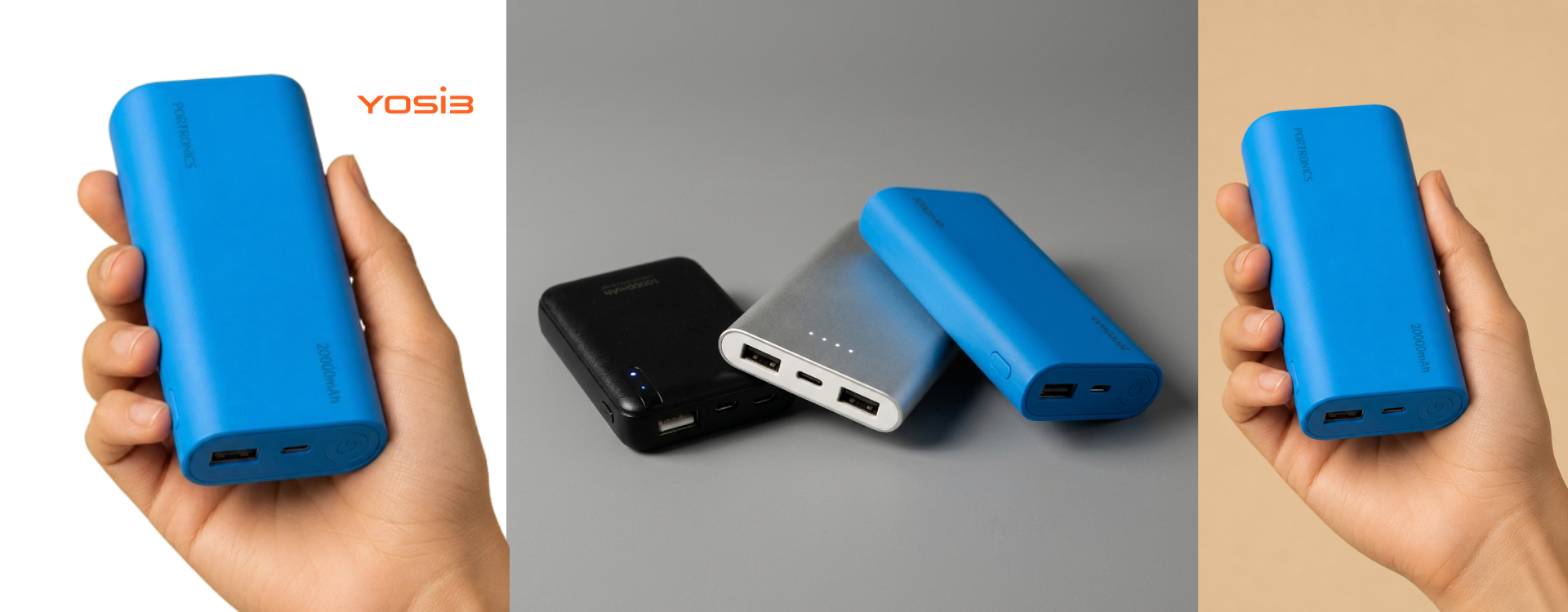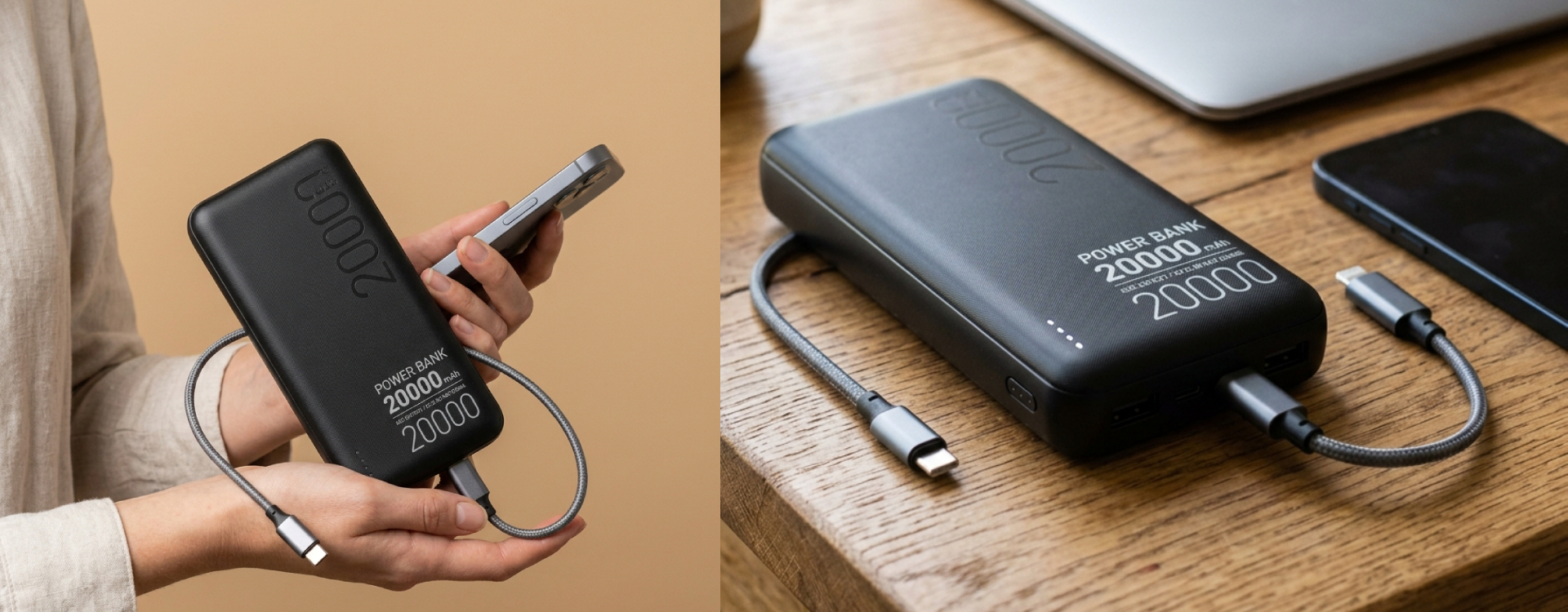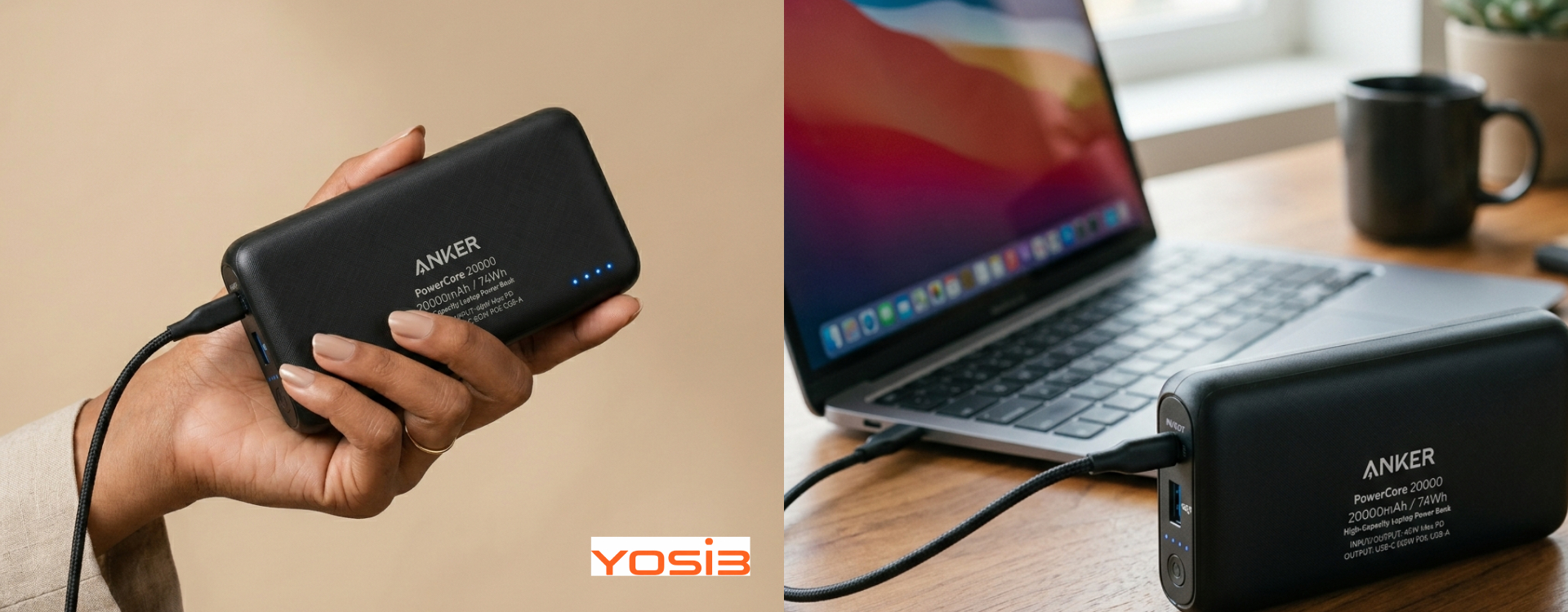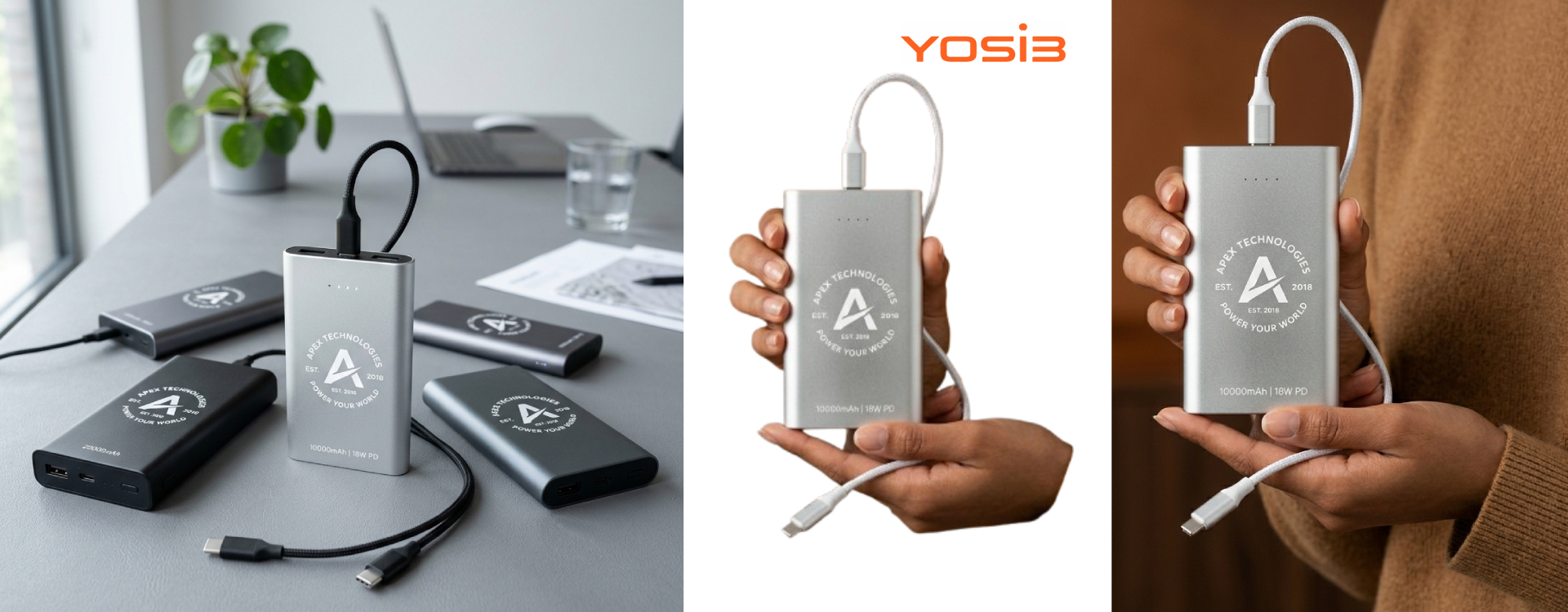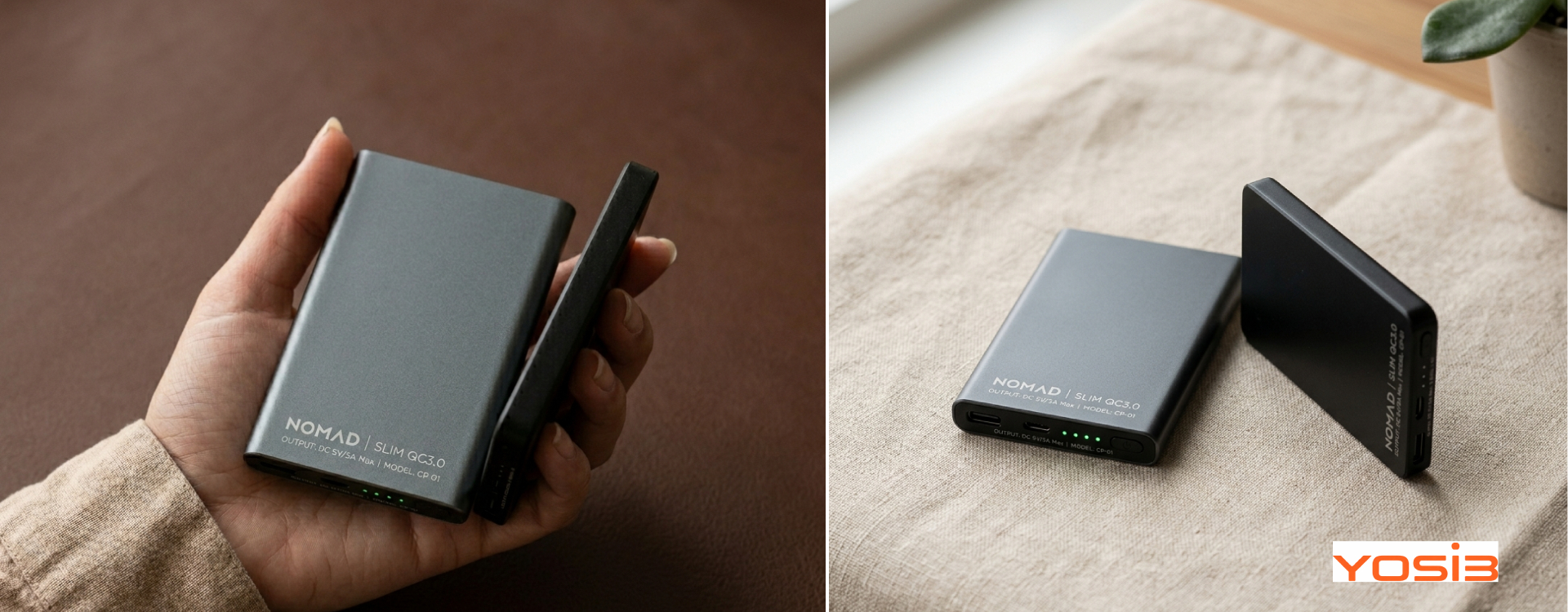
In the rapidly evolving landscape of corporate branding and promotional merchandise, staying ahead of the curve is essential for maintaining market relevance. As businesses gear up for 2025 and beyond, the demand for functional, high-utility tech accessories continues to surge. Among these items, the portable charger with logo has emerged as a premier choice for companies looking to combine brand visibility with practical utility. However, sourcing these devices effectively requires more than just placing an order; it demands a strategic approach to manufacturing, quality assurance, and customization. By understanding the nuances of the supply chain, businesses can leverage these powerful tools to enhance customer loyalty and employee satisfaction.
The promotional products industry is witnessing a significant shift towards high-tech, everyday carry items that offer genuine value to the recipient. Statics indicate that the global power bank market is projected to grow exponentially through 2026, driven by the increasing reliance on mobile devices for both personal and professional activities. For a B2B audience, this presents a unique opportunity: a custom portable battery charger is not merely a gift; it is a mobile billboard that travels with the client or employee, reinforcing brand identity every time it is used. To capitalize on this trend, brands must prioritize sourcing strategies that align with their quality standards and marketing goals.
Navigating the procurement process for wholesale tech accessories can be complex, particularly when ensuring product safety and durability. The difference between a premium product that elevates a brand and a cheap item that tarnishes a reputation lies in the sourcing strategy. Companies must look beyond the lowest price tag and consider factors such as battery cell quality, charging speed, and material durability. Engaging with a reputable portable charger supplier who understands the specific needs of corporate branding is the first step toward a successful marketing campaign. This ensures that the final product not only looks good but performs reliably over the long term.
Ultimately, the goal of sourcing branded portable chargers is to create a lasting impression that translates into business growth. Whether used for trade shows, employee appreciation gifts, or client retention programs, these devices serve as tangible representations of a company’s commitment to quality and innovation. As we move deeper into a digital-first era, the brands that invest in high-quality, customizable tech solutions will find themselves at the forefront of customer minds. The following sections delve into the critical aspects of sourcing, providing a comprehensive guide to finding the best products for your specific brand requirements.
1. Why Sourcing Premium Custom Tech is Vital for Brand Image in 2025
The modern consumer is discerning, with a sharp eye for quality and authenticity. In 2025, the perception of a brand is increasingly tied to the quality of the promotional items it distributes. A portable charger with logo that is sleek, fast-charging, and reliable sends a message of technological competence and attention to detail. Conversely, a poorly made device that fails after a few uses can negatively impact brand equity. Therefore, sourcing premium tech is not just about utility; it is a critical component of brand management and reputation building. Businesses must recognize that every touchpoint with a customer or prospect is an opportunity to reinforce their brand values.
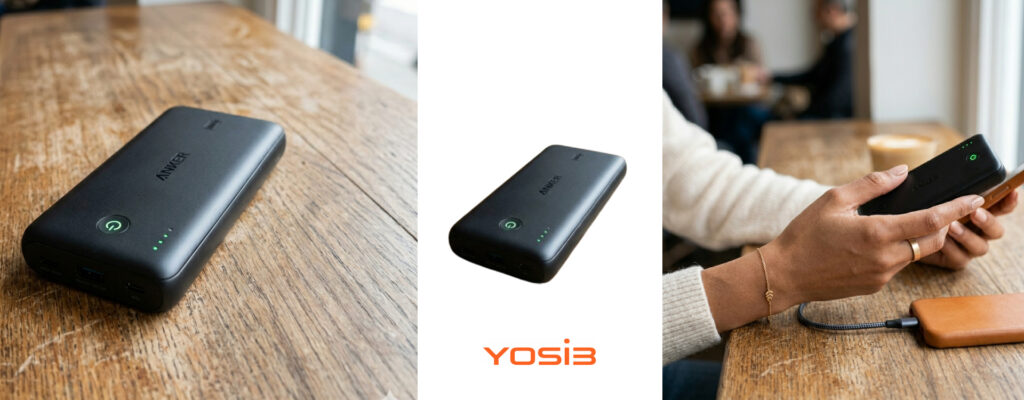
When a company invests in a custom portable battery charger that features fast-charging capabilities or premium materials, they are signaling that they value the recipient enough to give the best. This psychological impact is far more potent than that of low-cost, throwaway items. As market competition intensifies in 2026, the brands that stand out are those that offer tangible value through their promotional strategies, making premium sourcing a non-negotiable aspect of modern marketing.
Furthermore, the integration of technology into daily life has made power banks an essential tool for professionals across all industries. By offering a high-quality charging solution, a brand inserts itself into the daily routine of its target audience. This repeated exposure builds top-of-mind awareness, ensuring that the brand is the first one thought of when a need for the company’s services arises. A reliable portable charger supplier can provide the market insights necessary to select models that appeal to specific demographics, whether they are tech-savvy millennials, corporate executives, or field workers. This targeted approach ensures maximum relevance and impact for the branding investment.
Lastly, the shift towards remote work and hybrid models has increased the prevalence of mobile working, making reliable power sources more critical than ever. Professionals are constantly on the move, attending virtual meetings from cafes or traveling between client locations. In this context, a portable charger with logo becomes a lifeline for productivity. By ensuring that this lifeline carries the company brand, businesses position themselves as enablers of success rather than just service providers. This strategic alignment between brand identity and user lifestyle is the cornerstone of effective promotional sourcing in the current economic climate.
1.1. How High-Quality Tech Products Influence Customer Perception
The influence of product quality on customer perception cannot be overstated. When a client or partner receives a custom portable battery charger that feels substantial, charges quickly, and features a clean logo application, it elevates their opinion of the giving company. Quality creates a halo effect; the superiority of the gift subconsciously transfers to the company’s products or services. In B2B transactions, where trust is a currency, this transfer of value is invaluable. It suggests that if a company cares enough to provide superior tech accessories, they likely apply the same rigorous standards to their core business operations.
Conversely, the damage caused by inferior products can be surprisingly long-lasting. A device that overheats, doesn’t hold a charge, or breaks easily reflects poorly on the brand that provided it. It implies a lack of vetting and a preference for cost-cutting over quality. This is why partnering with an established portable charger supplier is crucial. A trusted supplier will offer products that have undergone rigorous testing for safety and performance, including certifications such as CE, FCC, and RoHS. These certifications not only ensure compliance but also serve as reassurance to the end-user that the device is safe to use with their expensive electronics.
The tactile experience of using a well-made device also plays a significant role in perception. The texture of the casing, the weight of the battery, and the responsiveness of the ports all contribute to the user experience. In the wholesale market, there is a vast array of options ranging from cheap plastic housings to durable aluminum alloys. Sourcing high-grade materials ensures that the portable charger with logo withstands the rigors of daily use. Every time the user plugs in their phone, they are reminded of the brand’s durability and reliability, reinforcing positive associations with the company through repeated, satisfying interactions.
Moreover, the visual appeal of the technology matters. A sleek, modern design aligns a brand with innovation and forward-thinking. As we look towards 2026 trends, minimalist designs with matte finishes or soft-touch coatings are gaining popularity. By selecting aesthetically pleasing models, companies ensure that their branded merchandise is not hidden away in a drawer but is proudly displayed on desks and conference tables. This visibility is key to brand reinforcement. A high-quality custom portable battery charger acts as a piece of functional art, keeping the brand front and center in professional environments.
1.2. Why the 2025 Market Demands More Than Just Generic Swag
The days of generic, low-value promotional swag are rapidly fading. In 2025, both internal employees and external clients expect items that add real value to their lives. Generic items often end up in the trash within days, resulting in a poor return on investment and wasted marketing spend. A portable charger with logo, however, addresses a universal pain point: battery anxiety. The market demands solutions that are not only functional but also integrate seamlessly into a mobile lifestyle. By moving away from generic swag to high-utility tech, brands can ensure their marketing dollars yield measurable results in terms of engagement and retention.
This shift is driven by the increasing sophistication of the B2B buyer. They are aware of the cheap tactics used in the past and have developed a resistance to them. They look for partners who understand their needs and challenges. Offering a custom portable battery charger specifically designed for business use—perhaps with built-in cables or multiple ports to charge laptops and phones simultaneously—demonstrates this understanding. It shows that the giving company has put thought into the selection process, choosing an item that solves a specific problem for the recipient. This relevance is the key to cutting through the noise of a crowded marketplace.
Additionally, sustainability concerns are reshaping the promotional landscape. The 2025 market is increasingly eco-conscious, and generic plastic swag is often viewed negatively from an environmental standpoint. Forward-thinking brands are now sourcing portable chargers with housings made from recycled materials or bamboo. A responsible portable charger supplier will offer these eco-friendly options to cater to this growing demand. By aligning with sustainable practices, brands not only provide utility but also align themselves with the values of their clients, enhancing their corporate social responsibility profile in the process.
The longevity of the product also plays a role in this market demand. Generic items are ephemeral; tech accessories are enduring. A high-quality power bank can last for years, providing years of brand exposure for a one-time cost. This longevity is precisely what the market demands—sustainability in both an environmental and economic sense. Investing in a durable portable charger with logo ensures that the brand message endures long after the initial handover. As the market continues to evolve, the focus will remain on items that offer a blend of utility, quality, and longevity, rendering generic swag obsolete.
1.3. Which Branding Methods Maximize Impact on Tech Accessories
Choosing the right branding method is critical to maximizing the visual impact of a portable charger with logo. The method chosen affects not only the aesthetics but also the durability of the logo itself. For tech accessories, where surfaces may be curved, textured, or made of metal, standard printing methods often fall short. Advanced techniques such as laser engraving, pad printing, and full-color UV printing are preferred for their precision and permanence. A knowledgeable portable charger supplier will offer a range of these options to ensure that the brand logo is reproduced with the highest fidelity and resilience against wear and tear.
Laser engraving is particularly popular for high-end metal or aluminum power banks. This method etches the logo directly into the surface of the device, creating a permanent mark that won’t fade or rub off over time. For a custom portable battery charger intended for executive gifts, engraving conveys a sense of permanence and prestige. It creates a sophisticated, tactile finish that aligns perfectly with premium brand identities. The monochromatic nature of engraving also suits minimalist design trends, ensuring that the branding looks elegant rather than intrusive.
On the other hand, full-color UV printing allows for vibrant, complex logos to be reproduced with photographic detail. This is ideal for brands that rely on specific color palettes or intricate graphical elements. Modern UV printing technology also ensures that the print is durable and resistant to scratching, a crucial feature for items that are carried daily in pockets or bags. When sourcing wholesale, it is important to verify that the portable charger with logo can accommodate the specific printing requirements of your brand artwork without compromising the integrity of the design.
Finally, the placement of the logo is as important as the method. While the center of the device is traditional, edge placement or wrapping logos can offer a more unique and modern look. Some suppliers even offer domed stickers for a 3D effect, though these are generally considered less premium than direct printing. To truly maximize impact, businesses should work closely with their supplier to create mockups that visualize the final product. By carefully selecting the branding method, a custom portable battery charger becomes a cohesive extension of the brand’s visual identity, rather than just a vehicle for a sticker.
2. How to Identify a Reliable Portable Charger Supplier
Finding a dependable partner in the wholesale electronics market is a foundational step in sourcing success. A reliable portable charger supplier acts as more than just a vendor; they are a strategic partner who can guide you through technical specifications, safety regulations, and design possibilities. The identification process should involve a thorough vetting of their manufacturing capabilities, quality control processes, and market reputation. In an industry flooded with varying levels of quality, distinguishing a top-tier supplier from a middleman is essential for securing a product that meets your brand’s standards and safety requirements.
Businesses should look for suppliers who specialize in tech accessories rather than general promotional product companies that source from unknown third parties. Specialized manufacturers have better control over their supply chains and can provide detailed specifications regarding battery cells and circuitry. When evaluating a custom portable battery charger provider, asking for samples is non-negotiable. Physical samples allow you to assess the build quality, charging speed, and logo application firsthand, ensuring that the marketing materials match the reality of the product.
Furthermore, transparency is a hallmark of a reliable supplier. They should be willing to discuss their sourcing of components, particularly the lithium-ion batteries used in their devices. The market has seen instances of recycled or low-grade battery cells being used to cut costs, which poses significant safety risks. A trustworthy portable charger supplier will use Grade A lithium-ion cells and provide documentation to prove it. They should also be open about their manufacturing locations and lead times, allowing you to plan your procurement schedule effectively without worrying about unexpected delays or hidden costs.
Compliance and certification are also critical metrics for reliability. In 2025, regulatory scrutiny on electronic products is tighter than ever. A supplier must be able to provide products that are compliant with international safety standards such as UL, CE, FCC, and RoHS. These certifications are not just bureaucratic hurdles; they are assurances that the device has been tested for safety risks like overheating and short-circuiting. Prioritizing suppliers who adhere to these standards protects your brand from potential liability and ensures that the portable charger with logo you distribute is safe for your clients and employees to use.
2.1. What Key Factors to Evaluate in Supplier Capabilities
Evaluating supplier capabilities requires a deep dive into their operational and technical prowess. One of the first factors to consider is the supplier’s range of products. Do they offer a variety of capacities, such as 5,000 mAh for compact charging or 20,000 mAh for heavy users? A versatile portable charger supplier will have a catalog that caters to different use cases, allowing you to choose the right fit for your specific audience. Additionally, the ability to offer customization beyond just logo placement—such as custom colors, packaging, or even firmware for smart chargers—indicates a higher level of capability and control over the manufacturing process.
Production capacity and lead times are equally important evaluation metrics. A supplier might have a great product, but if they cannot fulfill a large wholesale order within your required timeframe, they are not the right fit. For campaigns tied to specific events or product launches in 2026, delays can be catastrophic. It is essential to discuss the supplier’s inventory levels and their ability to scale production for urgent needs. A custom portable battery charger supplier who maintains stock of unfinished goods (ready to be logoed) can often offer significantly faster turnaround times than those who build to order from scratch.
The quality control (QC) process is the heartbeat of supplier capability. Understanding how a supplier tests their products before shipment is vital. Do they perform a 100% full-load charge/discharge test? Do they inspect the welding of internal components? Robust QC procedures minimize the risk of defects reaching your hands. Ask the potential portable charger supplier about their defect rates and their policies for handling quality issues. A supplier confident in their capabilities will offer warranties and have a clear process for replacements, ensuring that your investment is protected against manufacturing variances.
Finally, consider the supplier’s design and engineering support. As technology evolves, so do consumer expectations. A supplier that invests in R&D will be able to offer the latest features, such as wireless charging, MagSafe compatibility, or GaN (Gallium Nitride) technology for faster, more efficient charging. By partnering with a supplier who is at the forefront of innovation, you ensure that your portable charger with logo reflects the latest tech trends. This forward-looking capability is a strong indicator of a supplier’s commitment to quality and their ability to serve your needs in the long term.
2.2. How to Assess Quality Assurance and Safety Standards
Assessing quality assurance (QA) and safety standards is perhaps the most critical aspect of sourcing electronic devices. The internal components of a custom portable battery charger determine its safety and longevity. High-quality power banks include protection circuits that prevent overcharging, over-discharging, short-circuiting, and excessive current. When sourcing, it is imperative to ask the supplier about the specific protection chips and sensors integrated into their devices. A reputable supplier will be transparent about these safety features and explain how they mitigate the risks associated with lithium-ion batteries.
Visual and physical inspections of samples are also key components of the assessment process. Check the alignment of ports, the quality of the seams, and the finish of the casing. A portable charger with logo should feel solid and well-assembled, with no rattling parts or gaps. Examine the user manual and packaging for clarity and professionalism; poor documentation often signals poor production standards. Testing the actual charging capacity compared to the rated capacity is also recommended. Some unscrupulous suppliers label batteries with higher capacities than they actually possess. Verifying this ensures you get what you pay for.
Certifications serve as a shorthand for quality assurance. While different regions have different requirements, certifications like UL 2054 (for stationary batteries) and IEC 62133 (for portable sealed secondary cells) are globally recognized benchmarks. When dealing with a portable charger supplier, always request copies of these certificates. It is also wise to verify the validity of these certificates with the issuing bodies if possible, as documentation can sometimes be falsified. Adhering to these standards is not just about safety; it is about ensuring that the product performs reliably, which directly reflects on your brand’s reputation.
Additionally, inquire about the supplier’s warranty and post-sale support. A strong QA process should result in a low defect rate, but issues can still arise. Knowing that the supplier stands behind their products with a clear warranty policy is reassuring. This support structure is a hallmark of a professional custom portable battery charger provider. It signifies that they are confident in their manufacturing quality and are willing to address any unforeseen issues promptly. This safety net is essential for B2B relationships, where large orders and brand reputation are at stake.
2.3. Which Supplier Models Best Fit Wholesale and Customization Needs
There are generally three types of supplier models in the market: manufacturers, wholesalers, and trading companies. Understanding the differences between them is crucial for determining which fits your wholesale and customization needs. Manufacturers, often located in production hubs like Shenzhen, China, offer the lowest prices and the highest degree of customization. If you need a completely bespoke custom portable battery charger with unique molding or specific internal components, a direct manufacturer is the best choice. However, they typically have higher Minimum Order Quantities (MOQs) and longer lead times.
Wholesalers, on the other hand, hold stock of ready-made goods and offer lower MOQs. They are ideal for businesses that need a portable charger with logo quickly or in smaller quantities. While their customization options might be limited to logo printing and standard color choices, the speed and convenience are unmatched. For many B2B marketing campaigns that run on tight schedules, a reliable wholesaler can be the perfect partner. They bridge the gap between manufacturing speed and the need for branded merchandise, offering a balance of cost and convenience.
Trading companies act as intermediaries. They source products from various factories and consolidate them. While they may offer a wide range of options, their markups are higher, and their control over quality is less direct than a manufacturer. However, a specialized trading company that focuses exclusively on tech accessories can still be a valuable portable charger supplier if they have established strong relationships with top-tier factories. They can handle the logistics and communication, simplifying the sourcing process for businesses that lack the resources to manage overseas suppliers directly.
For the best results in 2025 and 2026, a hybrid approach is often effective. Establishing a relationship with a supplier that offers both ready-stock wholesale options and custom manufacturing capabilities provides the ultimate flexibility. This allows you to react quickly to immediate needs with stock items while planning larger, fully custom campaigns for the future. Whether choosing a manufacturer, wholesaler, or specialized trading partner, the key is to align their business model with your specific requirements for portable charger with logo customization, volume, and timing.
3. Why Customization Drives Brand Loyalty and Engagement
Customization is the engine that transforms a generic electronic device into a potent branding tool. It goes beyond merely slapping a logo on a product; it is about creating a unique item that resonates with the recipient on a personal level. A custom portable battery charger that is tailored to reflect a brand’s colors, ethos, and specific messaging creates a sense of exclusivity. This exclusivity fosters a deeper emotional connection between the recipient and the brand, which is the foundation of long-term loyalty. In a saturated market, this customized approach is what differentiates a memorable brand from a forgettable one.
The psychological impact of receiving a customized gift is profound. It suggests that the giver has invested time and effort into creating something specific for the recipient. When a company distributes a portable charger with logo that has been thoughtfully designed—perhaps with a matching color scheme or a personalized message—it enhances the recipient’s perception of the relationship. This is particularly important in B2B contexts, where relationships are the bedrock of success. A high-quality, customized accessory serves as a constant reminder of the partnership, reinforcing the business bond every time the device is used.
Moreover, customization drives engagement by making the product more likely to be used and shared. People are proud to carry items that look good and feel unique. A sleek, customized power bank is likely to be taken out of the bag and used in public settings—meetings, airports, coffee shops—thereby increasing the brand’s visibility. Each use is a micro-engagement, reinforcing the brand’s presence in the user’s life. Unlike generic swag that is hidden away, a well-designed custom portable battery charger becomes an active participant in the user’s daily narrative, providing continuous brand exposure.
Engagement is also driven by the perceived value of the item. Customized tech accessories are inherently viewed as higher value than generic promotional items like pens or keychains. By offering something that people actually want and need, brands ensure that their marketing efforts are not in vain. This utility, combined with the aesthetic appeal of customization, means the product will have a longer lifespan. The longer the product remains in circulation, the longer the brand benefits from the exposure. This cycle of value and utility is central to driving sustained brand loyalty.
3.1. How Tailored Features Enhance the User Experience
Tailored features significantly enhance the user experience, making the product indispensable. When sourcing a portable charger with logo, considering the end-user’s lifestyle is paramount. For instance, including built-in charging cables (Lightning, USB-C, and Micro-USB) eliminates the need for the user to carry separate cords. This level of customization adds immense practical value. It shows that the brand understands the hassles of modern life and has provided a solution. A portable charger supplier who can offer these integrated features enables brands to deliver a superior user experience that stands out from standard models.
Another tailored feature that enhances experience is the inclusion of digital display screens. Instead of vague LED lights, a small LCD screen that shows the exact percentage of remaining battery life provides clarity and control to the user. This is a premium feature often found in high-end custom portable battery charger models. By offering such advanced technology, brands position themselves as forward-thinking and attentive to detail. The user appreciates the precision and reliability of the device, and by extension, associates these positive attributes with the brand that provided it.
Ergonomic design is another critical aspect of tailoring. A device that is comfortable to hold and easy to carry is more likely to be used daily. Customization can extend to the shape and texture of the device. Rubberized finishes provide grip, while slim profiles ensure portability. A portable charger supplier can often modify the casing mold to suit specific branding requirements or ergonomic preferences. When the product feels good in the hand, it creates a subconscious positive association with the brand. This tactile connection is a subtle but powerful element of the overall user experience.
Furthermore, tailored features can include smart technology that optimizes charging speeds. Devices that can automatically detect the connected device’s power requirements and deliver the optimal charge are highly desirable. This prevents battery damage and ensures efficient charging. By sourcing a portable charger with logo equipped with such smart chips, a brand ensures that the user’s valuable electronics are charged safely and efficiently. This protective role cements the brand’s position as a helpful and reliable partner in the user’s digital life, deepening the relationship through genuine utility.
3.2. Why Color Psychology Matters in Custom Tech Design
Color psychology plays a pivotal role in custom tech design, influencing perception and behavior. The colors chosen for a custom portable battery charger should align with the brand’s identity and the emotions it wishes to evoke. For example, blue is often associated with trust and professionalism, making it an excellent choice for corporate or financial services. Black and silver convey sleekness and luxury. By utilizing brand colors effectively, companies reinforce their visual identity. Consistent use of color helps in instant brand recognition, a key metric in marketing effectiveness.
When selecting colors, it is also important to consider trends and user preferences. In 2025, we are seeing a move towards matte finishes and pastel tones, which are perceived as modern and sophisticated. A portable charger supplier should be able to provide Pantone color matching to ensure the device matches the brand guidelines exactly. Mismatched or off-brand colors can dilute the brand impact and look unprofessional. Precise color matching demonstrates attention to detail and reinforces the brand’s commitment to quality and consistency in all aspects of its operations.
Cultural considerations are also relevant in color psychology. Colors can have different meanings in different cultures. For a global brand, it is crucial to understand these nuances when sourcing a portable charger with logo for an international audience. For instance, while white is associated with purity in many Western cultures, it can be associated with mourning in some Eastern cultures. A savvy sourcing strategy will take these factors into account to ensure the custom design resonates positively with the target demographic, avoiding any unintended negative connotations.
Finally, the contrast between the device color and the logo is vital for visibility. If the device and logo are the same color, the branding will be lost. High contrast ensures that the logo pops and is easily readable. This might mean choosing a contrasting color for the logo print or opting for laser engraving on a dark background. Effective use of contrast in custom portable battery charger design ensures that the brand is the hero of the product. It ensures that the branding effort is not in vain, but rather maximized for the highest visual impact and recall.
3.3. Which Packaging Solutions Complement Custom Branded Tech
The unboxing experience is a critical, often overlooked component of promotional products. The packaging is the first thing the recipient sees, and it sets the tone for the product inside. For a high-end custom portable battery charger, generic polybags are insufficient. Instead, custom retail-style boxes with magnetic closures, EVA foam inserts, or slide-out drawers create a sense of occasion. This premium presentation elevates the perceived value of the gift immediately. It tells the recipient that this is something special, something worth keeping, thereby enhancing the overall impact of the branding initiative.
Sustainability in packaging is also a major trend for 2025 and beyond. As businesses strive to reduce their environmental footprint, packaging made from recycled cardboard, kraft paper, or biodegradable materials is increasingly preferred. A portable charger supplier who offers eco-friendly packaging options allows brands to align their physical marketing with their corporate social responsibility goals. Using sustainable packaging not only appeals to eco-conscious recipients but also protects the brand from criticism regarding wastefulness. It is a holistic approach to customization that considers the product’s lifecycle from production to disposal.
Including instructional manuals and accessories in the packaging further enhances the user experience. A cable (if not built-in), a velvet carrying pouch, or a welcome card adds to the completeness of the product. These additions show that the brand cares about the user’s experience from the moment they open the box. For a portable charger with logo, including a card that explains the charging capacity or safety features can be very useful. These small details contribute to a feeling of professionalism and thoroughness, reflecting positively on the brand that provided the package.
Finally, the packaging itself offers additional real estate for branding and messaging. While the device carries the logo, the box can tell a story. It can feature the company website, social media handles, or a specific marketing message related to the campaign. QR codes printed on the packaging can drive traffic to digital landing pages, creating a bridge between physical merchandise and digital marketing. By leveraging the packaging effectively, brands can extend the engagement beyond the device itself. A well-packaged custom portable battery charger is a comprehensive marketing tool that maximizes return on investment.
4. How to Navigate Cost Structures and Wholesale Pricing
Navigating the cost structures of wholesale electronics is a complex but essential skill for procurement teams. The price of a portable charger with logo is influenced by a multitude of factors, ranging from battery capacity and casing materials to branding complexity and order quantity. Understanding these variables is key to budgeting effectively and avoiding unexpected costs. It is not simply about finding the lowest price; it is about finding the best value for the intended purpose. A strategic approach to pricing ensures that you get a quality product that meets your brand standards without overspending.
The primary cost driver is the battery itself. Lithium-ion battery prices fluctuate based on the global market and the capacity (measured in mAh). Higher capacity naturally costs more. However, the price increase is not always linear. A 20,000 mAh charger is usually more cost-effective per mAh than a 5,000 mAh one. When discussing options with a portable charger supplier, it is important to analyze the cost-to-performance ratio. For a custom portable battery charger intended as a premium gift, investing in a higher capacity may be justified by the higher perceived value and utility it offers to the recipient.
Another significant factor is the casing material and build quality. Plastic casings are generally the most economical, followed by aluminum and premium materials like leather or wood. While plastic might save money upfront, aluminum or ABS plastic with rubberized finishes offer better durability and a more premium feel. The branding method also affects the cost. Simple pad printing is cheaper, while laser engraving or full-color UV printing can add to the unit price. A reliable portable charger supplier will provide a detailed breakdown of these costs, allowing you to make informed decisions based on your budget and branding requirements.
Order quantity, or MOQ, is the lever that most significantly impacts unit pricing. Wholesale economics dictate that larger orders lower the per-unit cost due to efficiencies in manufacturing setup and logistics. For brands planning a large campaign or needing a long-term supply of branded merchandise, committing to a higher volume can result in substantial savings. However, it is important to balance these savings against storage costs and the risk of inventory obsolescence. calculating the total landed cost—including shipping, duties, and taxes—is crucial for accurate budgeting and comparison between suppliers.
4.1. What Determines the Value of a Custom Portable Battery Charger
The value of a custom portable battery charger is determined by more than just its price tag; it is a composite of quality, utility, and branding potential. High value comes from the perfect intersection of these elements. For instance, a device with a Grade A Samsung or LG battery cell offers higher value than one with a generic unbranded cell, even if the outward appearance is similar. The reliability and safety provided by top-tier internal components constitute a significant portion of the product’s true value, especially for B2B clients who cannot afford the reputational risk of gifting faulty products.
Charging speed is another major determinant of value. As smartphones and tablets become more power-hungry, the ability to charge quickly is a highly prized feature. Power banks supporting Power Delivery (PD) or Quick Charge (QC) technologies are more valuable than standard 5V/1A chargers. When sourcing a portable charger with logo, considering the technical specifications is vital. A device that can fast-charge a laptop is significantly more valuable to a business traveler than one that can only slowly charge a phone. This utility translates directly into higher usage rates and, consequently, higher brand exposure.
Aesthetic appeal and customization quality also drive value. A device that looks modern and feels premium will be used more frequently and kept for longer. The quality of the logo application contributes to this; a laser-engraved logo looks better and lasts longer than a cheap sticker. The portable charger supplier plays a crucial role here, as their ability to deliver high-fidelity branding impacts the perceived value of the item. If the logo is blurry or peels off, the value of the product drops to zero, regardless of how good the internal battery is. Hence, finishing and build quality are inseparable from value.
Finally, warranty and support add intangible value to the purchase. A supplier that stands behind their product with a warranty demonstrates confidence in its quality. For the buyer, this reduces risk. If a batch of custom portable battery charger units fails, a warranty ensures that the brand is not left holding the bag. This peace of mind is a valuable component of the procurement process. It signifies a professional relationship where quality is guaranteed, protecting the buyer’s investment and the brand’s reputation in the long run.
4.2. How to Balance Budget Constraints with Quality Requirements
Balancing budget constraints with quality requirements is a common challenge in procurement. The goal is to achieve the highest possible quality within the allocated budget. This often involves making strategic trade-offs. For example, if the budget is tight, one might opt for a smaller capacity device (e.g., 5,000 mAh) but insist on a premium casing and excellent logo printing. The device will still look and feel high-quality, ensuring brand prestige is maintained, even if the charging capacity is lower. Communicating openly with the portable charger supplier about budget limitations is the best way to find viable solutions.
Another strategy is to simplify the customization to save on costs without sacrificing quality. Choosing a standard color (like black or white) rather than a custom Pantone match can sometimes reduce the unit cost. Similarly, using a single-position pad print instead of a full-wrap laser engraving can lower expenses. However, it is crucial not to cut corners on the internal components. A cheap battery is a false economy. It is better to have a smaller capacity, high-quality portable charger with logo than a large capacity, dangerous one. Prioritizing safety and core functionality ensures that the brand remains protected.
Volume aggregation is also a powerful tool for balancing budget and quality. If a single department’s budget is too small to order premium units, consider consolidating orders across multiple departments or events. By increasing the total order volume, businesses can negotiate better pricing for higher-quality models. Many suppliers offer tiered pricing structures. A custom portable battery charger that seems out of reach for a small order becomes affordable when ordered in bulk. This collaborative approach to procurement maximizes the purchasing power of the organization.
Lastly, consider the long-term ROI. Sometimes, spending slightly more upfront leads to better results. A high-quality charger that lasts for three years provides a lower cost-per-impression than a cheap one that breaks in three months. When evaluating the budget, factor in the longevity and the effectiveness of the brand exposure. A portable charger supplier can often provide data or case studies demonstrating the effectiveness of different product tiers. Using this data, businesses can justify the budget for quality by highlighting the long-term marketing benefits and the protection of brand equity.
4.3. Which Pricing Models Offer the Best ROI for B2B Buyers
For B2B buyers, understanding different pricing models is key to maximizing Return on Investment (ROI). The traditional model is the “one-time purchase” for a specific event. While this has low commitment, the per-unit cost is higher. A more effective model for long-term branding is the “blanket order” or “scheduled release” contract. In this model, the buyer commits to purchasing a certain volume over a year (e.g., 1,000 units per quarter) but takes delivery as needed. This allows the buyer to lock in wholesale pricing for a custom portable battery charger while managing cash flow and inventory storage efficiently.
Another model gaining traction is the “consignment” or “vendor-managed inventory” model, particularly for large organizations. Here, the portable charger supplier holds the stock of branded goods and releases them based on the buyer’s demand. This reduces the buyer’s upfront capital expenditure and storage burden. For companies with frequent, ongoing gifting needs—such as employee welcome kits or client appreciation gifts—this model offers excellent ROI by simplifying logistics and ensuring that fresh, high-quality stock is always available without requiring massive lump-sum payments.
The “kitting” model is also highly effective for ROI. This involves bundling the portable charger with logo with other branded items, such as notebooks, pens, or headphones, into a single package. Suppliers often offer discounts on kitted items because the assembly and packaging are streamlined in their factory. This creates a high-value gift package that impresses recipients without proportionally increasing the administrative work for the buyer. A comprehensive tech kit creates a stronger impact than a single item, enhancing the perceived value and the effectiveness of the marketing campaign.
Finally, evaluating ROI should include the “cost-per-impression” metric. High-quality chargers have a high number of impressions because they are used frequently and last a long time. Even if the upfront cost is higher, the cost-per-impression is lower compared to cheaper, disposable items. A reputable custom portable battery charger supplier will help you calculate these metrics. By focusing on models that offer durability and high utility, B2B buyers ensure that their marketing spend yields the highest possible return over the lifespan of the product, making premium tech a smart financial choice.
5. Why Future Trends in Mobile Power Affect Sourcing Decisions
The mobile power industry is dynamic, with new technologies and consumer preferences emerging regularly. Staying abreast of these trends is essential for making informed sourcing decisions. As we look toward 2026, the demand for faster charging and higher capacity continues to grow. Devices like the portable charger with logo must evolve to meet these needs. Sourcing decisions made today must anticipate the requirements of tomorrow to avoid inventory becoming obsolete. A forward-looking sourcing strategy considers not just the current market, but the future landscape of mobile technology.
One of the most significant trends is the shift towards GaN (Gallium Nitride) technology. GaN chargers are smaller, lighter, and more efficient than traditional silicon-based chargers. They generate less heat and can handle higher power outputs. For a custom portable battery charger, this means future models will likely be incredibly compact yet capable of charging laptops at high speeds. Businesses that begin sourcing GaN-enabled power banks now will position themselves as innovators. It signals to clients that the brand is technologically advanced and ready for the future of mobile power.
Wireless charging is another trend that is reshaping the industry. As smartphones increasingly adopt wireless charging standards, the demand for wireless power banks is rising. A portable charger supplier should offer options that support Qi wireless charging, possibly even with MagSafe compatibility for iPhone users. This trend affects sourcing decisions because it adds complexity to the design and cost structure. However, the convenience of wireless charging is a major selling point for users. Incorporating this technology into branded merchandise ensures high utility and user satisfaction.
Sustainability is also driving innovation in battery technology and materials. The industry is moving towards more eco-friendly battery chemistries and recyclable casings. Regulations in various regions are becoming stricter regarding the disposal of electronic waste. Future-proofing a portable charger with logo involves selecting suppliers who are investing in green manufacturing processes. By prioritizing sustainability now, brands avoid the risk of their products becoming non-compliant or frowned upon by environmentally conscious consumers in the near future. It is a strategic move that aligns business goals with global trends.
5.1. How Emerging Technologies Are Shaping Power Bank Features
Emerging technologies are fundamentally shaping the features and capabilities of modern power banks. Beyond basic charging, we are seeing the integration of smart features. Some advanced custom portable battery charger models now come with Bluetooth connectivity, allowing users to track battery levels and usage habits via a smartphone app. While this might be a niche feature, it demonstrates the potential for deeper interaction between the branded item and the user. For B2B tech companies, offering such cutting-edge accessories can be a powerful way to demonstrate industry leadership.
Pass-through charging is another feature that has become a standard expectation. This allows the power bank to charge its own battery while simultaneously charging a connected device. For a portable charger with logo, this feature enhances convenience, as the user only needs one wall outlet to charge both their phone and the battery pack. Sourcing products that include pass-through technology ensures that the merchandise meets the practical needs of modern professionals who are often limited by available power outlets. It is a small technical detail that significantly improves the user experience.
Fast charging protocols like Power Delivery (PD) 3.1 and Quick Charge (QC) 5.0 are constantly evolving. These technologies allow for charging speeds that were previously impossible. A portable charger supplier must stay updated on these standards to provide compatible devices. For instance, the latest laptops require high-wattage PD chargers. By sourcing power banks that support 100W or higher output, brands can cater to users of high-performance devices. This adaptability to emerging tech ensures that the branded merchandise remains useful and relevant even as device specifications change.
Safety technologies are also advancing. We are seeing the development of more sophisticated Battery Management Systems (BMS) that offer thermal regulation, over-voltage protection, and short-circuit prevention with greater accuracy. These features are critical for high-capacity custom portable battery charger units. As energy density increases, so does the potential risk if the battery fails. Sourcing devices that utilize the latest safety technology is a non-negotiable aspect of responsible procurement. It protects the end-user and, by extension, the brand that distributed the device from any liability or negative association.
5.2. Why Sustainability Is Becoming a Core Sourcing Criterion
Sustainability has transitioned from a “nice-to-have” to a core sourcing criterion in the promotional products industry. Brands are increasingly held accountable for the environmental impact of their entire supply chain. When sourcing a portable charger with logo, the materials used in both the device and the packaging are under scrutiny. Traditional plastic casings are being replaced by bioplastics, recycled ocean plastics, and certified bamboo. These materials offer a unique texture and a compelling sustainability story that enhances the brand’s image as a responsible corporate citizen.
The longevity of the product is a key pillar of sustainability. The most sustainable product is one that doesn’t need to be replaced. A cheap, low-quality custom portable battery charger that fails after a few months ends up in a landfill, contributing to e-waste. Conversely, a high-quality, durable device can be used for years. Therefore, sourcing for durability is an act of sustainability. Investing in superior components like Grade A battery cells and robust casings ensures a long product lifecycle. This reduces the frequency of replacement and minimizes the environmental footprint of the promotional campaign.
Energy efficiency during the manufacturing process is also a consideration. Leading manufacturers are utilizing renewable energy sources and optimizing their production lines to reduce carbon emissions. When selecting a portable charger supplier, inquiring about their environmental policies and factory certifications (such as ISO 14001) is important. Partners who demonstrate a commitment to green manufacturing allow their clients to align their procurement strategies with their corporate sustainability goals. This transparency is increasingly valued by stakeholders, including investors, employees, and customers.
Furthermore, the end-of-life plan for the product is becoming relevant. Some forward-thinking suppliers are offering take-back programs or recycling partnerships for old electronics. While this is still emerging in the promo industry, it is a trend to watch. For now, ensuring that the portable charger with logo is made from easily recyclable materials like aluminum rather than bonded composites is a practical step. As regulations tighten in 2026, designing products with disassembly and recycling in mind will become a standard requirement for large-scale sourcing contracts.
5.3. Which Market Insights Predict 2026 Demand for Custom Tech
Market insights for 2026 predict a robust and growing demand for custom tech, specifically in the realm of mobile power. The continued proliferation of IoT (Internet of Things) devices, smartwatches, and wireless earbuds means that consumers carry more chargeable items than ever before. This drives the demand for multi-port or high-capacity custom portable battery charger units that can handle multiple devices simultaneously. The data suggests that single-port chargers will become less desirable as the average number of personal devices per individual continues to rise.
The hybrid work model is expected to persist, sustaining the demand for “work-from-anywhere” kits. Professionals need reliable power to maintain productivity while traveling or working from non-traditional locations. Consequently, compact yet powerful portable charger with logo units will remain high-volume items. Insights also indicate a growing preference for “slim” form factors that fit easily into tablet cases or laptop sleeves without adding bulk. This aesthetic and functional preference will guide product design and sourcing decisions in the coming years.
Demographic shifts also influence demand. Gen Z and younger Millennials are entering the workforce in large numbers, and they value both technology and personalization. This demographic is more likely to respond positively to high-tech branded gifts than to traditional merchandise. To appeal to this incoming workforce, brands will need to source custom portable battery charger models that feature modern designs, wireless capabilities, and perhaps even smart integrations. Ignoring the preferences of this growing demographic could result in lower engagement and effectiveness of marketing campaigns.
Finally, data suggests that B2B companies will increase their spending on client retention as customer acquisition costs rise. High-quality tech accessories are a proven tool for retention. The portable charger supplier who can provide detailed analytics and case studies on the ROI of these products will be well-positioned to win business. The market will shift from purely transactional relationships to strategic partnerships, where suppliers help brands select products that drive specific business outcomes, such as customer loyalty or employee satisfaction, based on concrete 2026 market data.
Conclusion
Sourcing high-quality portable charger with logo solutions is a multifaceted process that requires strategic planning, a focus on quality, and an eye on future trends. By understanding the importance of premium tech, evaluating suppliers rigorously, and leveraging customization effectively, brands can transform a simple accessory into a powerful marketing asset. Whether through enhancing brand loyalty with tailored features or navigating cost structures for maximum ROI, the decisions made during the sourcing process have lasting impacts on brand perception and business success.
As we move into 2025 and 2026, the convergence of technology, sustainability, and personalized branding will continue to shape the promotional landscape. The brands that succeed will be those that partner with knowledgeable portable charger supplier partners and prioritize value over mere cost. A custom portable battery charger is not just a power source; it is a statement of brand quality, a tool for engagement, and a testament to a company’s commitment to providing real value to its clients and employees. By adhering to the principles outlined in this guide, businesses can ensure their sourcing strategies deliver superior results.