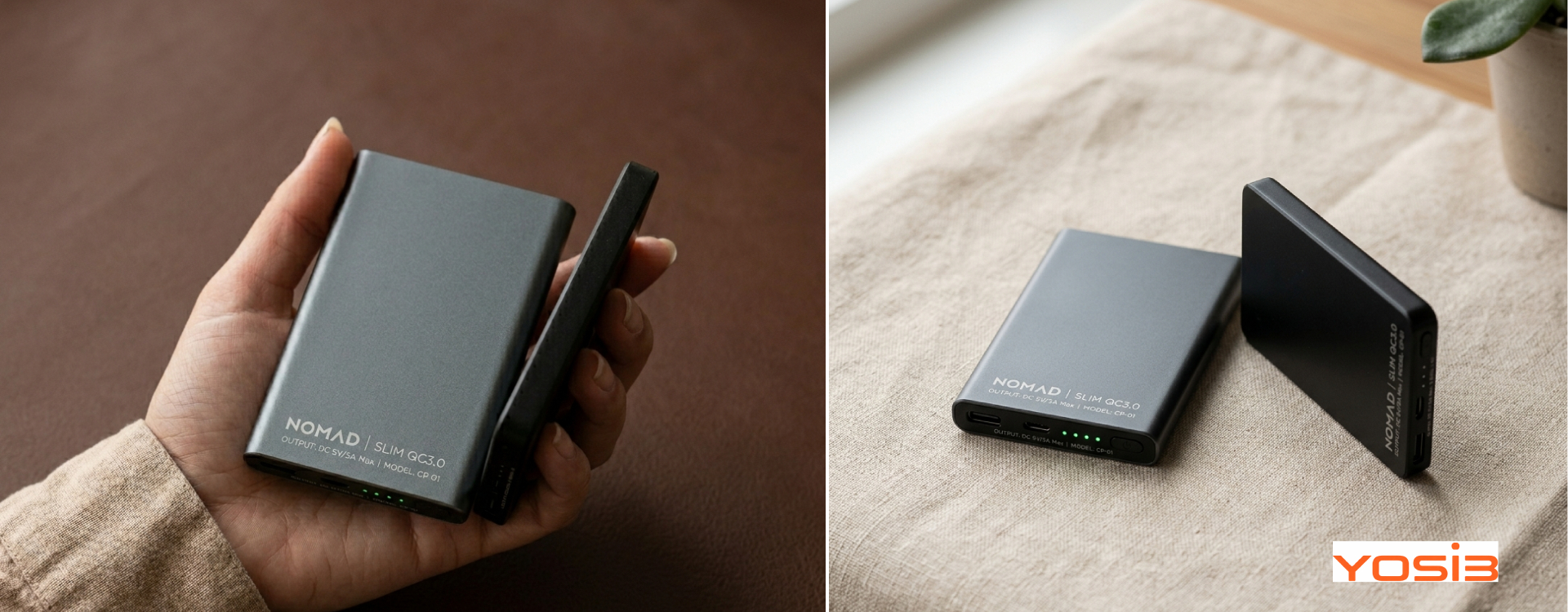
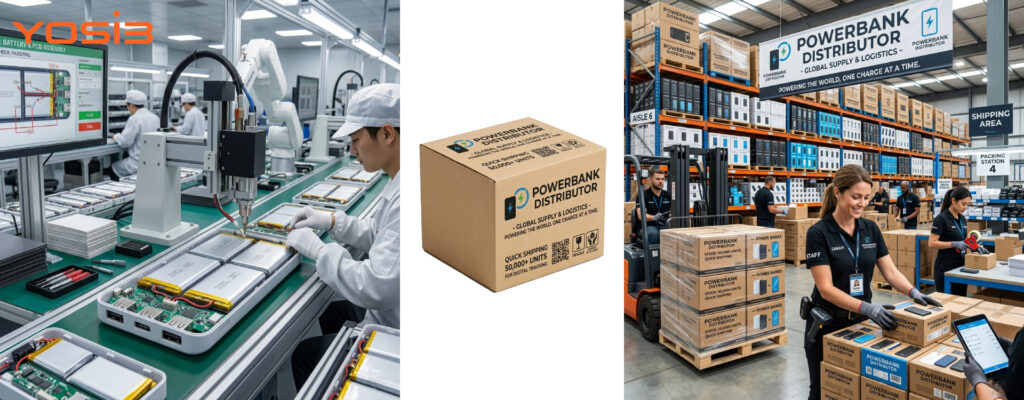
Selecting the right partner for your supply chain is a critical decision that can define your brand’s reputation and profitability. In an era where digital reliance is absolute, the demand for reliable energy solutions is soaring, making the role of a specialized supplier more vital than ever. A powerbank distributor does not merely supply products; they act as an extension of your brand, ensuring that your marketing merchandise or retail inventory meets the highest standards of quality and safety.
The market is flooded with options, yet not all distributors possess the capability to deliver consistent quality, especially when specific customization is required. Therefore, identifying a partner that aligns with your business objectives requires a strategic approach, focusing on long-term reliability rather than just the lowest unit cost.
The significance of choosing a competent distributor extends beyond simple logistics. It encompasses product safety certifications, battery cell integrity, and the ability to deliver complex customizations such as an engraved power bank for corporate clients. In 2025, the global promotional products market saw a shift towards high-value tech items, with power banks remaining a top choice for client retention. Statistics from the Global Promotional Products Association indicate that tech accessories are retained by recipients for an average of 12 months, offering unparalleled brand exposure.
This longevity, however, is contingent upon the product’s reliability; a faulty power bank can do irreparable damage to a brand’s image. Consequently, the selection process must prioritize distributors who understand the gravity of these performance metrics and stand firmly behind their merchandise.
Furthermore, the modern business landscape demands agility and customization capabilities that go off-the-shelf. Whether you are a procurement officer for a large corporation or a business owner looking to launch a new product line, the need for a custom portable power bank solution is often a key differentiator. A reliable distributor offers a seamless transition from concept to delivery, handling everything from design mockups to quality assurance. Recent market insights for 2026 project a 25% increase in demand for personalized tech accessories, suggesting that businesses failing to secure a flexible customization partner now may struggle to meet future consumer trends.
This article delves into the essential criteria for selecting a distributor, ensuring that your investment translates into tangible brand equity and customer satisfaction.
Ultimately, the goal is to forge a partnership that offers stability in a volatile supply chain environment. The right distributor mitigates risks associated with component shortages and regulatory changes, which are prevalent in the electronics industry. By focusing on wholesalers who prioritize transparency, compliance, and advanced manufacturing techniques, businesses can safeguard their interests. As we explore the following sections, we will dissect the specific attributes that distinguish a mediocre supplier from a top-tier powerbank distributor, providing a roadmap for making an informed, data-driven decision. This strategic selection process is the foundation of a successful merchandising strategy, ensuring that every power bank distributed carries your brand’s promise of quality.
1. Why Industry Experience and Track Record Matter
Experience in the electronics distribution sector serves as a primary indicator of a distributor’s ability to navigate the complexities of the global market. When selecting a powerbank distributor, it is essential to look beyond the number of years in business and examine the depth of their specific experience in portable power solutions. The battery industry is highly specialized, involving rapid technological advancements and strict safety regulations.
A distributor with a solid track record will have established relationships with Tier 1 battery cell manufacturers, ensuring access to high-grade components. Industry reports from 2025 highlight that seasoned distributors were 40% less likely to supply substandard products compared to new entrants, primarily due to their established vetting processes. This history of reliability is crucial when your brand reputation is on the line.
The track record of a distributor is also reflected in their ability to handle large-scale wholesale orders without compromising on quality or delivery timelines. An experienced partner understands the logistical nuances of international shipping, customs clearance, and inventory management, particularly for high-value items like a custom portable power bank. They possess the operational infrastructure to handle fluctuating demand spikes, which are common during promotional seasons such as holidays or corporate events. By analyzing case studies and client testimonials, businesses can gauge a distributor’s consistency. For instance, a distributor who has successfully managed fulfillment for Fortune 500 companies demonstrates a level of procedural maturity that significantly lowers the risk of supply chain disruptions for your business.
Furthermore, a distributor’s historical performance provides insight into their problem-solving capabilities. In the event of a defect or a manufacturing delay, an experienced powerbank distributor will have proven protocols in place to rectify the situation efficiently, often absorbing the costs themselves to preserve the client relationship. This contrasts sharply with inexperienced brokers who may vanish or shift blame when issues arise. The confidence that comes from a partner’s historical resilience allows businesses to plan their marketing launches with certainty.
As we look toward 2026, market analysis suggests that the complexity of power bank circuits will increase, making the technical expertise of a veteran distributor even more valuable. Their familiarity with past technological iterations provides a stable foundation for adopting new innovations.
Finally, the longevity of a distributor often correlates with their financial stability and ethical business practices. In a market plagued by fluctuating raw material costs, a stable distributor can offer pricing consistency that protects a buyer’s margins. They are also more likely to adhere to ethical labor practices and environmental standards, which are increasingly scrutinized by global consumers.
Partnering with a reputable distributor ensures that your engraved power bank or customized units are produced in a compliant facility. This due diligence is vital for B2B clients who must report on supply chain sustainability. Therefore, prioritizing industry experience is not just about avoiding errors; it is about aligning your business with a partner who reflects your own standards of excellence and corporate responsibility.
1.1. Why Verify Certifications and Safety Standards
Verifying certifications is the most critical step in mitigating the safety risks associated with lithium-ion batteries. A reputable powerbank distributor will readily provide documentation proving compliance with international safety standards such as UL, CE, FCC, and RoHS. These certifications are not merely bureaucratic hurdles; they are rigorous tests that ensure the device’s internal circuitry can prevent overheating, short-circuiting, and overcharging. In 2025, regulatory bodies increased scrutiny on imported electronics, resulting in a 15% recall rate for non-compliant power banks in several major markets. Working with a trusted powerbank distributor ensures that your wholesale products are cleared by customs without delays and are safe for end-users, thereby protecting your business from liability lawsuits and negative publicity.
The impact of safety standards on buyer confidence cannot be overstated, especially in the B2B sector where products are often gifted to employees or clients. An engraved power bank bearing a company logo that malfunctions or causes damage creates a direct association between that failure and the brand. Ensuring that the powerbank distributor sources batteries with high-grade Samsung or LG cells, protected by Japanese or Texas Instruments protection chips, is a standard practice for quality-focused suppliers. These components offer superior thermal stability and charge cycle life compared to generic, unbranded cells. By insisting on verifiable certifications, buyers ensure that the products they distribute enhance their brand image rather than tarnishing it.
Moreover, the “why” behind strict verification lies in the evolving landscape of lithium battery technology. As energy density increases to support smaller, more powerful devices, the risk of thermal runaway increases if proper safety protocols are not followed. A trustworthy powerbank distributor stays ahead of these changes, often exceeding the minimum requirements set by law. For example, leading distributors now often include UN38.3 testing documentation, which certifies the battery’s safety during air transport. This level of detail is particularly important for businesses planning international marketing campaigns or shipping products globally. It ensures that the logistics chain remains unbroken and that the products arrive intact and ready for distribution.
Lastly, the verification process acts as a filter for legitimate manufacturers versus fly-by-night assemblers. Distributors who are transparent about their supply chain and safety certifications are generally those who own or have long-term contracts with the factories producing the goods. This vertical integration allows for greater control over the final output. For businesses investing in a custom portable power bank, this assurance is priceless. It guarantees that the premium price paid for customization is backed by a product that is built to last and safe to use. Consequently, the verification of certifications is a non-negotiable pillar of due diligence that safeguards both the end-user and the integrity of the distributing brand.
1.2. How to Evaluate Customization Capabilities
Evaluating a distributor’s customization capabilities begins with a clear assessment of their in-house design and prototyping facilities. A simple logo print is often insufficient for brands looking to make a lasting impression; a true custom portable power bank involves choices regarding casing shape, material finish, color matching (Pantone), and packaging design. When vetting a potential partner, request a portfolio of previous custom projects that showcases variety and complexity.
High-level distributors employ industrial designers who can translate a brand’s identity into a functional tech accessory. In 2025, the demand for “co-branded” tech accessories rose by 30%, driven by companies seeking deeper integration of their brand ethos into the merchandise. A distributor with strong creative capabilities can turn a standard power bank into a unique brand asset.
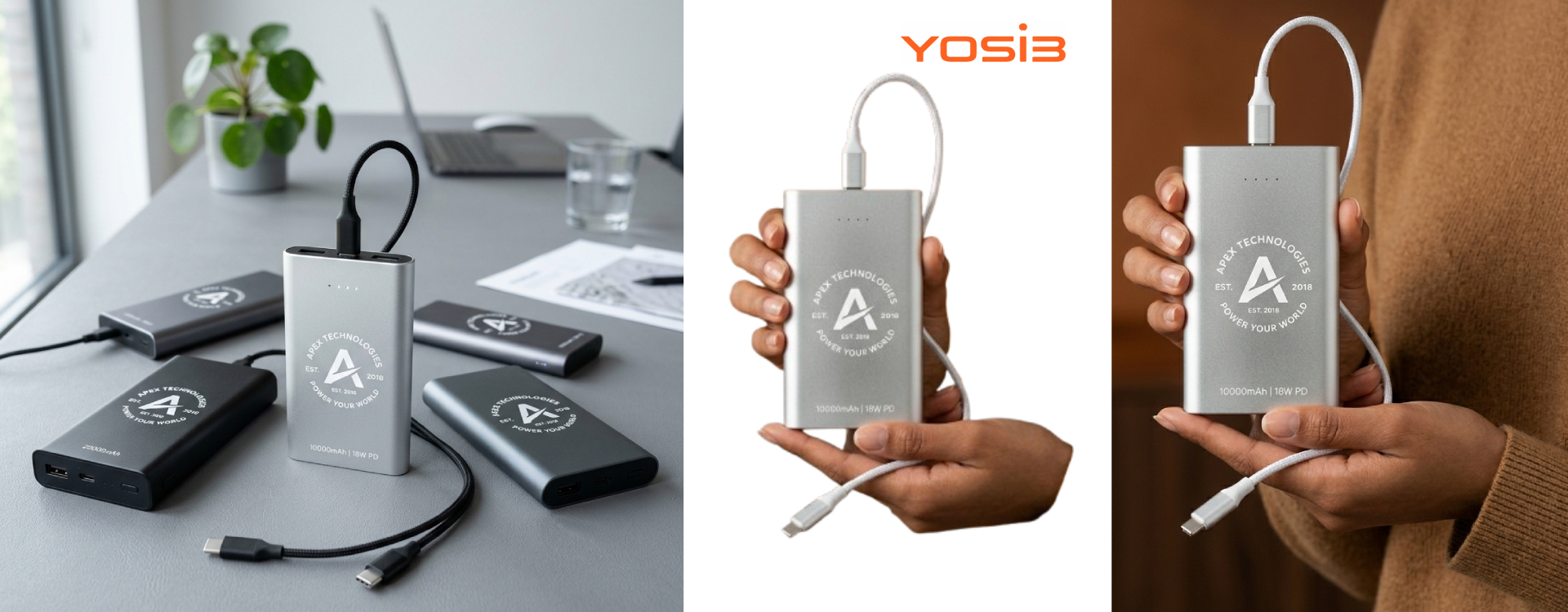
The process of evaluation should also include a rigorous testing of the sampling phase. Before committing to a bulk wholesale order, insist on a pre-production sample that matches your exact specifications. This is particularly important for specialized requests like an engraved power bank, where the depth and precision of the engraving affect both the tactile feel and visual durability.
A capable distributor will not only provide a sample but also explain the technology used—whether it is laser engraving for precision or rotary engraving for depth. They should be able to demonstrate how the customization holds up under stress testing. Observing how they handle revisions during the sampling stage is a strong indicator of their flexibility and commitment to quality.
Furthermore, understanding the “how” involves looking at the scalability of the customization options. Some boutique suppliers can handle small, intricate runs but fail when asked to produce thousands of units with consistent quality. A professional powerbank distributor bridges this gap by utilizing processes that are both customizable and standardized for mass production.
They utilize automated UV printing or screen printing jigs that ensure every unit in a batch of 5,000 looks identical to the approved sample. As we project into 2026, the integration of AI in design proofs is expected to streamline this process, allowing for instant virtual mockups. Distributors investing in these technologies demonstrate a forward-thinking approach that will benefit your business with faster turnaround times and error-free production.
Finally, consider the range of customization options beyond the device itself. A truly comprehensive partner will offer solutions for custom packaging, USB cable colors, and even accessories like carrying pouches or instruction manuals. This holistic approach to product customization allows for a fully branded unboxing experience, which is a significant trend in B2B gifting. When evaluating capabilities, ask about minimum order quantities (MOQs) for these add-ons. A distributor who can offer low MOQs on high-end customizations provides a distinct advantage, allowing businesses to test different designs without a massive financial commitment. This agility is a hallmark of a distributor that is well-equipped to handle diverse and evolving client needs.
1.3. Which Production Quality Control Measures to Look For
Production quality control (QC) is the firewall that prevents defective units from reaching your inventory. When choosing a wholesale supplier, it is vital to inquire about their specific QC protocols. A robust powerbank distributor will implement a multi-stage inspection process that begins with the incoming raw materials—specifically the battery cells and printed circuit boards (PCBs)—and continues through the assembly line to the final packaging.
This involves battery capacity testing, load testing to ensure the output matches the rated amperage, and high-voltage aging tests. According to industry data from late 2025, implementing a 100% full-load inspection at the factory level reduced field failure rates by over 90%. Distributors who prioritize these measures effectively save their clients from the exorbitant costs of recalls and returns.
The specific measures to look for include semi-automated testing machines and strict human oversight. For a custom portable power bank, QC also involves checking the alignment of logos, the consistency of paint finishes, and the solidity of port connections. It is not enough for the distributor to rely on the factory’s word; top-tier distributors often employ third-party inspection agencies or deploy their own quality assurance teams on-site. This independent verification ensures that the standards meet the specific requirements of the B2B market, which are often higher than general consumer standards. Understanding these protocols provides assurance that the final product will reflect the premium nature of the brand it represents.
Another critical aspect of QC is the random safety drop test and vibration test, simulating the rigors of shipping and daily use. A reliable powerbank distributor understands that a product may look perfect but fail mechanically after minor impacts. Ensuring that the internal structure is secure and that the battery cells are padded effectively prevents internal short circuits. For an engraved power bank, the QC team must also ensure that the engraving process has not compromised the structural integrity of the casing. This attention to detail is what separates a commodity supplier from a strategic partner. It ensures that every unit that leaves the warehouse is a testament to quality and durability.
Finally, post-production QC before shipment is the last line of defense. This includes re-checking a percentage of the packed cartons to ensure that the correct accessories, such as cables or manuals, are included. In the fast-paced wholesale market, shipping errors can be as damaging as product defects. A distributor with a structured QC protocol will provide a QC report with photos and videos of the inspected goods before dispatch. This transparency builds trust and allows the buyer to sign off on the shipment with confidence. As we approach 2026, the adoption of blockchain for tracking QC results is anticipated, offering immutable proof of quality. Distributors adopting such advanced traceability measures offer the highest level of security for B2B buyers.
2. How to Assess Wholesale Pricing and Value
Assessing wholesale pricing requires a sophisticated understanding of the total cost of ownership rather than just the initial unit price. While the temptation to choose the cheapest powerbank distributor is understandable, especially for businesses operating on thin margins, the lowest price often signals the lowest quality. The market for portable chargers is tiered, primarily based on the quality of the lithium-ion cells used—Grade A cells offer reliability and longevity, whereas recycled or lower-grade cells are cheaper but prone to failure.
A comprehensive cost analysis should factor in the potential revenue loss from damaged goods and the cost to your brand’s reputation. In 2025, businesses that prioritized value over the lowest sticker price saw a 20% higher customer retention rate in tech accessories, proving that quality pays dividends in the long run.
Understanding the “how” of pricing involves dissecting the quote to see what is included. A transparent distributor will break down costs into components: the casing, the battery cell, the PCB, the customization (such as printing or engraving), and packaging. For example, a quote for a custom portable power bank should clearly state whether the price includes custom mold fees or tooling charges, which can be significant but are often one-time costs. Furthermore, shipping terms (Incoterms) must be clarified.
Does the price include delivery to your door (DDP), or are you responsible for customs and import duties (FOB)? These variables drastically affect the final landed cost. A reliable partner will help navigate these terms to ensure there are no hidden fees that eat into your profit margins.
Value assessment also extends to the warranty and after-sales support included in the price. A rock-bottom price from a middleman usually comes with zero warranty, meaning you absorb the cost of any defects. Conversely, a reputable powerbank distributor typically includes a warranty that covers manufacturing defects, often replacing faulty units at their own expense.
This warranty is an integral part of the value proposition. It essentially acts as an insurance policy for your inventory. When negotiating, consider the cost of this peace of mind. Statistics indicate that the return rate for uncertified, low-cost power banks can exceed 5%, whereas certified products with a solid warranty drop below 0.5%. The difference in these rates often justifies a slightly higher upfront investment.
Moreover, consider the value of tiered pricing and volume discounts. As your business grows, your purchasing power should increase. A distributor committed to a long-term partnership will offer scalable pricing structures that reward larger volume orders. This is particularly relevant for seasonal campaigns where you might order thousands of units of an engraved power bank for an event. Establishing a pricing matrix upfront ensures that you can forecast your budget accurately as you scale. By focusing on the holistic value—quality, reliability, warranty, and scalability—businesses can make procurement decisions that enhance profitability and sustainability rather than just chasing the lowest invoice total.
2.1. How to Balance Cost and Quality in Bulk Orders
Balancing cost and quality in bulk orders is a strategic exercise that relies on clear specification of requirements. It begins by defining the “must-haves” versus the “nice-to-haves” for your target audience. For a general promotional giveaway, a standard capacity model with a logo print might suffice. However, for executive gifts, a premium engraved power bank with high-speed charging capabilities is more appropriate. By clearly defining the tier of product needed, a powerbank distributor can recommend solutions that meet quality standards without overspending on unnecessary features. In 2025, savvy buyers utilized this tiered strategy to reduce overall procurement costs by 15% while maintaining satisfaction across different customer segments.
Negotiation is another key element in striking this balance. Distributors often have flexibility in pricing, particularly on larger orders. However, negotiation should not come at the expense of critical components like the battery cell. Never compromise on Grade A cells or safety certifications to save a few cents per unit. Instead, negotiate on aspects that have less impact on performance, such as packaging complexity or accessory inclusions. For a custom portable power bank, you might save money by choosing a standard casing color instead of a fully custom mold, or by using digital printing instead of laser engraving if the budget is tight.
A skilled distributor can offer various alternatives that preserve the integrity of the product while fitting within your financial constraints.
Sampling plays a crucial role in validating the cost-quality equilibrium. Before placing a bulk order, purchase samples from a few different price points. Conduct a side-by-side comparison to see the difference in build quality, finish, and charging speed. This empirical data is invaluable. Often, the difference between a mid-range and a premium unit is negligible in terms of functionality but significant in branding. Market insights for 2026 suggest that the “perceived value” of tech accessories is becoming a primary driver for B2B procurement. Therefore, spending slightly more to get a metal finish or soft-touch coating might offer a better return on investment through enhanced brand perception than opting for the cheapest plastic shell.
Finally, consider the long-term cost implications of quality. Low-quality bulk orders often result in a “double spend”—paying for the initial order and then paying again for a replacement order when the first batch fails. This scenario is all too common in the electronics industry. A trustworthy powerbank distributor will advise against buying the cheapest option if it risks high failure rates. They understand that their business depends on your repeat business. By viewing cost through the lens of “cost per use” or “cost per successful impression” rather than just “cost per unit,” businesses can make smarter bulk purchasing decisions that stand the test of time.
2.2. Why Understanding MOQs is Crucial for Planning
Minimum Order Quantities (MOQs) are a fundamental constraint in the wholesale electronics industry, dictated by manufacturing setup costs and supply chain economics. Understanding why MOQs exist and how they function is essential for effective inventory planning. A factory typically sets MOQs to cover the cost of machine setup, raw material procurement, and labor allocation for a production run.
For a custom portable power bank, the MOQ is often higher because the production line must be calibrated specifically for your unique design or print. In 2025, supply chain pressures led to a general increase in MOQs across the industry as manufacturers prioritized larger, more efficient batches to offset rising logistics costs. Recognizing this trend helps buyers plan their orders well in advance to avoid stockouts.
Navigating MOQs requires a strategic approach to cash flow and storage. For small to medium enterprises, high MOQs can tie up significant capital. However, working with an established powerbank distributor can sometimes mitigate this issue. Distributors often hold stock of semi-finished or standard goods, allowing for lower MOQs on simple customizations like logo printing. For instance, getting an engraved power bank might have a lower MOQ if it is based on a standard model the distributor already holds in inventory, compared to a fully custom-molded design. By leveraging the distributor’s existing inventory, businesses can access customization benefits without meeting the rigid factory MOQs.
Planning also involves forecasting demand accurately. If the MOQ for a specific powerbank distributor is 1,000 units, but you only need 200, it might be worth exploring if the product can be used across multiple campaigns or departments to justify the volume. Alternatively, some distributors offer “consolidated” orders where smaller buyers can pool their orders to meet an MOQ, though this limits customization options. As we move into 2026, agile manufacturing technologies are expected to lower MOQs for certain high-tech items, but for now, they remain a critical planning parameter. Businesses should incorporate MOQ data into their quarterly procurement cycles to ensure they are never caught short.
Furthermore, understanding the relationship between MOQ and unit price is vital. It is a standard economic principle that higher volumes yield lower unit prices. Buyers must calculate whether the savings from a larger order justify the storage costs and capital lock-up. A professional distributor will provide a tiered pricing schedule (e.g., 500, 1000, 5000 units) to help visualize these economies of scale. This transparency allows businesses to make data-driven decisions about whether to increase their order size to hit a price breakpoint or to stick to a smaller quantity to minimize risk. Effectively managing MOQs is about finding the sweet spot between operational efficiency and financial prudence.
2.3. Which Payment Terms and Conditions Protect Your Investment
Selecting the right payment terms is a critical component of financial risk management when dealing with international or large-scale wholesale suppliers. The standard practice in the industry often involves a deposit—typically 30% to 50%—to initiate production, with the balance paid upon completion before shipment. While this protects the powerbank distributor against raw material costs, the buyer must ensure that the final payment is contingent upon a satisfactory quality inspection. Tying the balance payment to a QC report, as discussed in previous sections, is a non-negotiable condition that should be written into the contract. This ensures that you have leverage to demand rectifications if the goods do not meet the agreed standards.
For new business relationships, utilizing secure payment methods such as Letters of Credit (L/C) or escrow services via platforms like Alibaba Trade Assurance provides a safety net. These mechanisms ensure that funds are only released to the supplier when specific delivery and quality conditions are met. In the volatile trade environment of 2025, characterized by fluctuating shipping routes and port delays, having such financial protections is paramount. When investing in a high-value run of custom portable power bank units, the financial stakes are high. Negotiating terms that mitigate the risk of non-delivery or fraud is a sign of prudent business management. A reputable distributor will be open to these secure payment methods to build trust.
Beyond the mechanics of payment, the conditions regarding warranties and returns must be explicitly stated in the proforma invoice or contract. What happens if 10% of the engraved power bank order arrives with scratches? Or if the batteries fail to hold a charge? The terms should specify a replacement timeline—whether it is immediate shipment of replacements or a credit note for future orders. Furthermore, clarify who bears the freight cost for returns. Top-tier distributors often absorb these costs if the defect is their fault. This level of assurance is often worth a slight premium in the unit price. It transforms the transaction from a simple purchase into a partnership where the supplier shares the risk.
Finally, consider the implications of currency exchange on your payment terms. With global economic shifts leading into 2026, currency volatility can impact the final cost of your goods. Agreeing on payment terms in a stable currency or locking in exchange rates at the time of the deposit can protect your budget. A sophisticated powerbank distributor will be familiar with these financial nuances and may offer pricing in your local currency to facilitate the transaction. By carefully structuring payment terms and conditions, businesses protect their bottom line and ensure that their investment in inventory yields the expected returns without unforeseen financial pitfalls.
3. Why Supply Chain Reliability and Logistics Define Success
Supply chain reliability is the backbone of a successful merchandise strategy, determining whether products arrive in time for crucial marketing launches or corporate events. In the electronics sector, where component shortages are common, a distributor’s ability to navigate these challenges is paramount. A robust powerbank distributor maintains diversified supply lines, sourcing components from multiple regions to mitigate the risk of a single point of failure. In 2025, the industry saw a resurgence of port congestion issues; distributors who had contingency plans, such as air freight options or alternative routing, were able to fulfill orders on time while others faced months of delays. This logistical agility is a critical differentiator that directly impacts a business’s ability to execute its plans.
The “why” behind focusing on logistics is simple: missed deadlines equal lost opportunities. For a custom portable power bank destined for a trade show or a holiday gift-giving campaign, late arrival renders the product worthless. Reliability encompasses not just shipping speed, but also inventory accuracy and communication. A distributor that provides real-time tracking and proactive updates about potential delays allows businesses to manage their own expectations and communicate with stakeholders effectively. The transparency of the supply chain process builds confidence. As we look toward 2026, the integration of IoT devices in shipping containers for real-time location and temperature monitoring is set to become an industry standard, further enhancing the reliability of logistics operations.
Furthermore, logistics efficiency significantly affects the landed cost of goods. A distributor who has optimized their freight forwarding and warehousing operations can offer better shipping rates and faster delivery times. They understand the intricacies of export classifications for lithium batteries, which are classified as dangerous goods (DG) and require specific handling. Navigating these regulations requires expertise; improper documentation can lead to goods being impounded by customs. A professional powerbank distributor handles all of this behind the scenes, ensuring a smooth transition from the factory floor to your warehouse. This seamless logistics capability removes a massive operational burden from the buyer, allowing them to focus on sales and marketing.
Finally, consider the impact of logistics on product quality. Long, tumultuous journeys with poor handling can damage electronic goods. Reliable distributors use robust packaging and partner with reputable freight forwarders who understand how to handle fragile tech items. For delicate items like an engraved power bank, where the finish is part of the value, ensuring that the packaging protects the unit from scratches and impacts is essential. By prioritizing supply chain reliability, businesses ensure that the products arriving at their door are in the same pristine condition as when they left the factory. This end-to-end integrity is the hallmark of a supply chain partner that contributes to business success rather than hindering it.
3.1. Why Speed and Turnaround Time are Critical Factors
Speed in production and delivery is often the deciding factor in the competitive world of marketing and retail. The lifecycle of a marketing campaign is often short, requiring rapid turnaround times from concept to delivery. A powerbank distributor that offers “quick ship” options or possesses local warehousing can drastically reduce lead times, sometimes delivering within days rather than months. This speed is crucial for reacting to market trends or sudden internal needs. In 2025, the “fast fashion” model influenced the tech accessories market, with businesses increasingly demanding faster production cycles for promotional items to keep up with rapid shifts in consumer preferences.
The necessity for speed must be balanced with the reality of manufacturing times. Rushing a custom portable power bank order without proper oversight can lead to mistakes. However, an efficient distributor will have streamlined processes—such as automated pre-flight checks for artwork and pre-assembled component kits—that accelerate production without cutting corners. They understand the difference between a “rush” that is managed and a rush that is chaotic. By asking potential partners about their standard lead times and their expedition fees, businesses can gauge their ability to handle urgent requests. A partner capable of 24-hour artwork approval turnaround and 3-day production runs for standard items provides a massive competitive advantage.
Moreover, turnaround time is a reflection of a distributor’s financial health and operational efficiency. Factories prioritize payments and large orders; a distributor with strong cash flow and good relationships can “pull rank” to get orders processed faster. This capability is invaluable when you are facing a hard deadline. For an engraved power bank order required for an upcoming conference, knowing that your distributor can leverage their relationships to ensure on-time delivery provides peace of mind. As we project into 2026, the digitization of purchase orders and manufacturing schedules is expected to shave days off lead times, but the human element of relationship management will remain a key accelerator.
Finally, consider the speed of communication. A distributor who responds to queries within hours, not days, facilitates a faster overall project timeline. Delays in clarification often cause bigger delays in production than the actual manufacturing process. Therefore, evaluating the responsiveness of a powerbank distributor during the quotation phase is a good indicator of their future speed. A partner who is proactive, providing updates before you have to ask for them, demonstrates a commitment to service excellence that aligns with the fast-paced nature of modern business. In essence, speed is not just about shipping; it is about the efficiency of the entire interaction.
3.2. How to Handle Inventory and Warehousing Needs
Managing inventory effectively is a challenge that grows with the scale of your business. Storing thousands of power banks requires significant space and climate control to preserve battery health. A strategic powerbank distributor often offers warehousing solutions, holding stock for you and releasing it as needed. This “blanket order” approach allows you to secure a low price by ordering high volume once, but receiving the goods in smaller drops over time. This model became increasingly popular in 2025 as businesses sought to maximize their cash flow without sacrificing bulk purchase discounts. It shifts the burden of storage and insurance onto the distributor, freeing up your capital and physical space.
For products that require frequent replenishment, such as a standard engraved power bank used for ongoing employee recognition programs, utilizing a distributor’s warehousing can streamline operations significantly. You can call off stock as required, and the distributor handles the picking, packing, and shipping to individual addresses if necessary. This fulfillment service is particularly valuable for B2B companies with a distributed workforce. Instead of shipping a pallet to a headquarters and then reshipping to branches, the distributor ships directly, saving time and reducing double-handling costs. This logistical optimization is a key value-add that distinguishes a full-service distributor from a simple wholesaler.
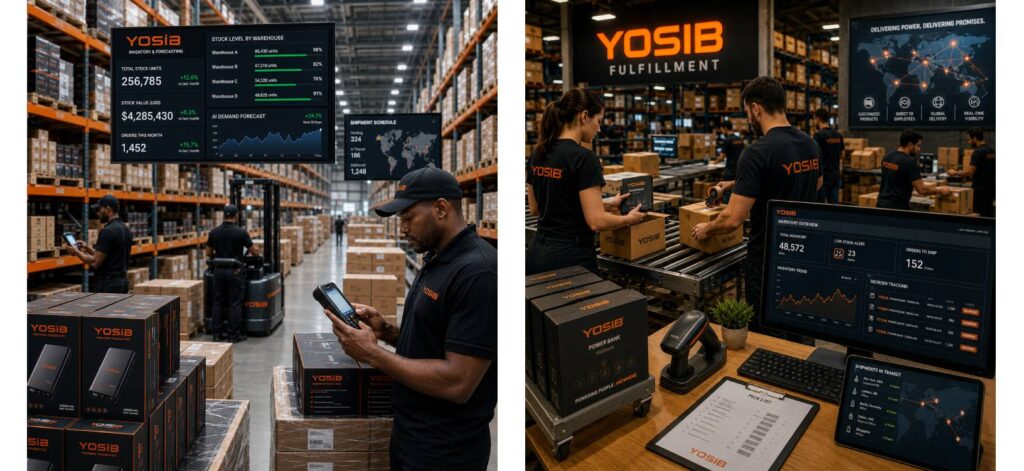
Furthermore, proper warehousing by a professional partner ensures the maintenance of battery quality. Lithium-ion batteries degrade if stored at extreme temperatures or if left discharged for long periods. A specialized powerbank distributor knows how to store these units correctly, often maintaining them at a partial charge in temperature-controlled environments. This expertise ensures that when the stock finally reaches you or your end-users, the batteries are fresh and fully functional. Improper storage by a novice can lead to inventory arriving dead or with significantly reduced capacity, resulting in financial loss and customer complaints.
Finally, inventory management systems provided by top-tier distributors offer transparency. You should have access to a portal showing real-time stock levels, allowing you to monitor your inventory and plan reorders. As we look to 2026, the integration of AI in inventory management is expected to predict demand based on your order history, suggesting reorders before you run out. By leveraging these advanced warehousing and inventory services, businesses can transform their supply chain from a cost center into a streamlined competitive advantage, ensuring they always have the right stock available at the right time without over-investing in storage infrastructure.
3.3. Which Shipping Options and Incoterms to Consider
Understanding shipping options and Incoterms is essential for controlling costs and ensuring the smooth arrival of goods. Incoterms—International Commercial Terms—define the responsibilities of buyers and sellers in the transaction. Common terms include FOB (Free on Board), where the buyer takes responsibility once the goods leave the port of origin, and DDP (Delivered Duty Paid), where the seller is responsible for all costs and risks until the goods arrive at the buyer’s doorstep. A clear powerbank distributor will guide you in selecting the term that best suits your logistics capabilities.
For many B2B buyers, DDP is preferred for its simplicity and predictability, as it eliminates the hassle of customs brokers and surprise duty fees, although the unit price may be slightly higher to cover these services.
Choosing the right shipping mode involves balancing speed against cost. Air freight is the fastest option, often delivering an engraved power bank order within a week, but it is significantly more expensive. Sea freight is the economical choice for large orders but can take weeks or even months. A savvy distributor might offer a hybrid solution, such as air freight for a small initial batch to meet an immediate deadline, followed by sea freight for the bulk of the order. In 2025, disruptions in shipping routes made this flexibility crucial.
Businesses that had flexible shipping contracts were able to adapt to changing port conditions without halting their operations. Your distributor should act as a consultant, helping you navigate these choices based on your timeline and budget.
Additionally, the specific nature of lithium-ion batteries adds a layer of complexity to shipping. Regulations regarding the transport of hazardous materials are strict. Batteries must be tested and packaged according to UN standards. A professional powerbank distributor handles all the necessary paperwork, including the Material Safety Data Sheet (MSDS) and the UN38.3 test report. They ensure that the goods are not delayed or rejected by airlines or shipping lines due to non-compliance. Attempting to navigate this regulatory landscape without an experienced partner is risky and can lead to hefty fines or shipment abandonment. Relying on their expertise ensures that your custom portable power bank units travel legally and safely across borders.
Finally, consider the “last mile” logistics. If the distributor is local, arranging for pickup or local delivery might be the most efficient option. For international orders, clarify if the price includes delivery to a specific address or just to the nearest port or airport. As we approach 2026, the rise of green logistics options, such as carbon-neutral shipping, is becoming a consideration for businesses with sustainability goals. Discussing these options with your distributor can align your procurement practices with your corporate social responsibility (CSR) objectives. By carefully selecting the right shipping terms and options, businesses ensure a cost-effective, reliable, and compliant flow of goods.
4. How Customer Service and Support Influence Long-term Success
Customer service and support are the lubricants that keep the machinery of a B2B relationship running smoothly. The initial purchase is just the beginning of a potential long-term partnership. A powerbank distributor that excels in customer support acts as an advisor rather than just a vendor. They provide updates at every stage of production, are readily available to answer questions, and respond swiftly to any issues that arise. In 2025, customer experience overtook price as the key differentiator in B2B sales, with 78% of business leaders stating that service levels are critical to their vendor selection criteria. High-touch service ensures that you feel supported and valued, which is essential when navigating complex custom orders.
The value of superior support is most evident when things go wrong. Even with the best planning, issues like shipping delays or production defects can occur. In these moments, the responsiveness of your distributor defines the outcome. A proactive partner will inform you of the issue immediately, often before you discover it yourself, and present a solution. Whether it involves replacing a batch of faulty custom portable power bank units or expediting a replacement shipment via air freight at their own cost, their actions demonstrate their commitment to your success. This reliability in crisis management builds trust and cements the business relationship, turning a potential disaster into a demonstration of their reliability.
Moreover, effective communication is a two-way street. A distributor with strong customer service will also listen to your needs and feedback, using it to improve future orders. They act as a bridge between your business and the factory, translating your requirements into technical specifications. For an engraved power bank order, they might advise on the best font size for legibility or suggest a material change to improve the engraving contrast. This consultative approach adds value beyond the transaction itself.
It helps you avoid common pitfalls and ensures that the final product exceeds your expectations. As we move into 2026, the use of CRM (Customer Relationship Management) systems integrated with AI is expected to further personalize support, ensuring that distributors anticipate client needs based on historical interactions.
Finally, the availability of support channels matters. A global powerbank distributor should offer support across time zones, perhaps through a dedicated account manager or a 24/7 response team for urgent queries. For businesses with international operations, this around-the-clock availability is crucial. It ensures that decisions are not stalled by communication lag. By prioritizing a partner who invests in their customer service infrastructure, businesses ensure they have a reliable ally in the marketplace. This support infrastructure reduces the administrative burden on your team, allowing you to focus on core business activities while the distributor manages the complexities of the supply chain.
4.1. Why Responsiveness and Clarity in Communication Matter
Responsiveness is a clear indicator of a distributor’s operational health and their prioritization of your account. In the fast-moving world of tech wholesale, days can matter. A powerbank distributor who takes days to respond to a quotation request or fails to answer questions about specifications is likely to be equally slow in resolving production issues. Speed of response correlates with speed of action. In 2025, the average response time for top-tier wholesale suppliers dropped to under 4 hours during business days, setting a new benchmark for industry standards. When evaluating partners, pay attention to their communication speed during the courtship phase; it is often a preview of how they will perform once they have your money.
Clarity in communication is equally important to prevent misunderstandings that can lead to costly errors. Technical specifications for a custom portable power bank must be precise. Ambiguity regarding battery capacity (e.g., actual capacity vs. marked capacity), charging speed (1A vs 2.1A), or material finish can lead to a product that does not meet your needs. A professional distributor will provide detailed datasheets and clear contracts, outlining every specification in writing. They will ask clarifying questions to ensure they understand your requirements perfectly. This meticulous approach to communication eliminates the “guesswork” that often leads to disappointment in wholesale transactions.
Furthermore, clear communication involves managing expectations. If there is a delay or a supply chain hiccup, a trustworthy powerbank distributor will communicate this bad news immediately and honestly, rather than hiding it or making excuses. This transparency allows you to make contingency plans. It builds credibility. For example, if a specific color of casing is out of stock, a good communicator will offer viable alternatives instantly rather than waiting for you to follow up. This level of engagement fosters a sense of partnership. As we look toward 2026, the adoption of automated status updates via SMS or email is becoming standard, providing clients with instant clarity on their order status without having to ask.
Finally, language and cultural barriers can sometimes impede communication in global trade. A distributor who employs native or fluent speakers for their target markets ensures that nuance is not lost in translation. For an engraved power bank with specific text requirements, linguistic precision is non-negotiable. A typo in an engraving cannot be fixed; the units are ruined. Therefore, choosing a distributor with excellent language skills and cultural understanding is a vital quality control measure in itself. It ensures that your vision is executed exactly as intended, without any loss in translation.
4.2. How to Evaluate Post-Sales Support and Warranty Policies
Evaluating post-sales support begins with reading the fine print of the warranty policy before placing an order. A warranty is a promise, and the strength of that promise defines the value of the product. A robust powerbank distributor will offer a clear warranty period—usually 12 months—covering defects in materials and workmanship. However, the true test is the claims process. Is it simple and customer-friendly, or does it involve jumping through hoops and shipping defective units back to China at your own expense? In 2025, distributors offering “no-questions-asked” local replacements saw a 40% higher client retention rate compared to those with rigid, factory-direct warranty processes.
The scope of the warranty should cover the specific needs of your product. For a custom portable power bank, does the warranty cover the printing or engraving if it fades or peels? Does it cover the battery capacity degradation if it falls below a certain threshold within a few months? These specifics matter. A reputable distributor will stand behind the entire unit, not just the electronics. They understand that for B2B clients, the product’s appearance is as important as its function. When evaluating policies, look for exclusions that void the warranty, such as “unauthorized opening” or “water damage,” and ensure they are reasonable. A fair warranty builds confidence in the product’s longevity.
Furthermore, the process of claiming a warranty should be seamless. Ideally, the distributor will require photos or a video of the defect to verify the claim and then ship the replacement immediately, rather than waiting for the return. This turnaround speed is critical for businesses that need to fulfill their own customers’ orders. For an engraved power bank used as a warranty replacement, the distributor should also be able to match the engraving of the original unit. This attention to detail in post-sales support ensures that the end-user receives a consistent experience, protecting your brand’s reputation even when things go wrong. It is a hallmark of a partner who takes full ownership of their product quality.
Finally, consider the long-term support beyond the warranty period. Does the distributor offer a buy-back program for recycling old units? Or do they offer upgrade paths for older models? As sustainability becomes a core business value heading into 2026, distributors who support the circular economy are becoming preferred partners. Post-sales support is not just about fixing broken items; it is about the lifecycle management of the product. By choosing a distributor with a comprehensive, forward-looking support policy, businesses ensure that their procurement strategy remains sustainable and responsible.
4.3. Which Value-Added Services Set Distributors Apart
Value-added services (VAS) are the extra mile that distinguishes a commodity supplier from a strategic partner. In the competitive market of tech accessories, these services can significantly enhance the appeal of the product and ease the burden on the buyer. One such service is fulfillment and drop-shipping. A powerbank distributor that can ship individual units directly to your clients with your branding on the package adds immense value. This service eliminates the need for you to maintain a shipping department and allows you to offer a “gift” service to your own clients. In 2025, demand for drop-shipping services in the promotional products sector grew by 35%, as businesses sought to outsource logistics to focus on core competencies.
Another critical value-added service is graphic design support. Not all businesses have in-house designers capable of creating print-ready artwork for a custom portable power bank. A distributor that provides free or low-cost design services ensures that your logo looks its best. They can optimize your artwork for the specific printing method—whether it is screen printing, pad printing, or full-color UV printing—ensuring sharp lines and accurate colors. This service prevents the disappointment of receiving a product with a pixelated or poorly sized logo. By leveraging the distributor’s design expertise, you ensure a professional final product that reinforces your brand identity without needing to hire external designers.
Packaging solutions are another area where value-added services shine. Standard brown boxes are functional, but custom packaging creates an unboxing experience. Distributors that offer custom color boxes, blister packs, or even premium gift boxes add a layer of sophistication to the product. For an engraved power bank intended for C-level executives, a velvet pouch or a magnetic closure box can elevate the perceived value significantly. Some distributors even offer inserts with custom messages or greeting cards. As we project into 2026, sustainable packaging options, such as biodegradable boxes or recycled materials, are becoming key differentiators. Distributors who offer these eco-friendly VAS help businesses meet their environmental goals.
Finally, inventory management and financing options can be pivotal. Some distributors offer consignment stock, where they place inventory in your warehouse but you only pay for it as you sell it. This “vendor managed inventory” (VMI) model frees up cash flow and reduces storage risks. Others might offer extended payment terms for established clients. These financial and logistical VAS demonstrate a distributor’s commitment to growing with your business. By selecting a partner that offers these comprehensive services, businesses gain more than just a product; they gain a logistical and design extension of their own team, capable of executing complex merchandising strategies with ease.
5. Why Future Trends and Market Insights Should Guide Your Choice
The portable power industry is dynamic, with new technologies and market trends emerging constantly. Choosing a powerbank distributor who is forward-looking and attuned to these trends is essential for long-term relevance. A distributor who simply sells what is available today is a commodity vendor; one who anticipates what will be needed tomorrow is a strategic partner. For instance, the shift towards GaN (Gallium Nitride) charging technology, which allows for smaller and faster chargers, is a significant trend set to dominate the market in 2026. A distributor with market insight will already be incorporating these technologies into their catalog, advising you on the next big thing before it becomes mainstream.
The “why” behind focusing on trends is to ensure your merchandising remains competitive. Handing out a bulky, outdated 2015-style power bank in 2026 reflects poorly on your brand’s image. Conversely, offering a sleek, high-capacity custom portable power bank with the latest fast-charging capabilities positions your brand as innovative and modern. Distributors who attend major trade shows like CES or HK Electronics Fair are often the first to spot these trends. They bring that knowledge back to their clients, helping them stay ahead of the curve. By aligning with a knowledgeable distributor, you ensure that your promotional products are always on the cutting edge, enhancing their desirability and perceived value.
Furthermore, market insights include understanding consumer preferences regarding sustainability and ethics. The modern consumer, and by extension the B2B buyer, is increasingly conscious of the environmental impact of the products they purchase. The trend towards sustainable electronics—using recycled plastics, removing PVC from cables, and offering repairable units—is gaining momentum. A visionary powerbank distributor will offer “green” lines of products and provide transparency on their environmental impact. In 2025, searches for “eco-friendly tech accessories” spiked by 50%, indicating a clear market shift. Partners who ignore this trend risk alienating a significant segment of the market. Choosing a distributor who prioritizes sustainability aligns your business with these values and future-proofs your supply chain.
Additionally, staying abreast of regulatory trends is crucial. Governments worldwide are tightening regulations on e-waste and battery safety. The implementation of the EU Battery Regulation and similar laws in other regions mandates higher recycling rates and transparency in the supply chain. A distributor who understands these impending changes can help you navigate compliance, ensuring that your products do not fall foul of new laws. For an engraved power bank distributed globally, this compliance is critical to avoid fines or border rejections. A partner who provides regular updates on these regulatory landscapes acts as a safeguard for your business, ensuring that your procurement strategy remains compliant and ahead of legislative curves.
5.1. Why Sustainability and Eco-Friendly Options are Essential
Sustainability has transitioned from a niche preference to a core business imperative. In the B2B sector, companies are increasingly scrutinizing the environmental footprint of their entire supply chain, including promotional merchandise. An engraved power bank made from recycled plastics or biodegradable materials sends a powerful message about a company’s commitment to the planet. In 2025, corporate procurement policies in over 60% of Fortune 500 companies included specific mandates for sustainable sourcing. Therefore, selecting a distributor who offers eco-friendly options is not just about ethics; it is about meeting the contractual and ethical requirements of your own clients and stakeholders.
The market demand for “green” tech is driving innovation in materials and design. Distributors at the forefront of this trend offer products housed in bamboo, wheat straw composite, or certified post-consumer recycled (PCR) plastics. These materials provide a unique texture and aesthetic appeal that can enhance the branding of a custom portable power bank. Furthermore, eco-friendly often equates to higher quality in the consumer’s mind. A power bank that is marketed as durable and sustainable often commands higher respect and retention rates than a cheap, disposable-looking plastic unit. As we move towards 2026, the development of fully recyclable battery chemistries is on the horizon, and distributors aligned with green technologies will be the first to bring these to market.
Beyond the product itself, sustainable packaging is a major focus. Traditional plastic blister packs are being replaced by recycled cardboard boxes or even plastic-free packaging solutions. A powerbank distributor focused on sustainability will minimize packaging waste and use soy-based inks for printing. This holistic approach ensures that every aspect of the product, from the device to the box it comes in, aligns with environmental values. This attention to detail is increasingly appreciated by end-users, who are becoming more discerning about greenwashing. Genuine, verifiable sustainable practices are becoming a key competitive advantage.
Finally, choosing sustainable options can have tangible benefits for a company’s CSR and ESG (Environmental, Social, and Governance) reporting. Documenting the use of eco-friendly promotional products contributes to sustainability goals. Distributors who can provide data on the carbon footprint savings of their products (e.g., “this product saved X grams of plastic compared to the standard model”) add immense value. This data allows businesses to quantify their positive impact. By partnering with a distributor who prioritizes sustainability, businesses ensure that their marketing activities contribute positively to their broader corporate objectives, turning a simple purchase into a statement of values.
5.2. How Technological Advancements Impact Product Selection
Technological advancements in the power sector are rapid, rendering older specifications obsolete quickly. When selecting a distributor, it is crucial to choose one who understands these technical nuances and guides your product selection accordingly. The current trend is towards higher efficiency and smaller form factors. For example, the adoption of Power Delivery (PD) technology allows a custom portable power bank to charge laptops and other high-power devices, not just phones. In 2025, shipments of PD-enabled power banks outpaced standard models for the first time. A knowledgeable distributor will steer you towards PD-enabled units if your target audience includes professionals with laptops, ensuring the product is genuinely useful.
The capacity of power banks is also increasing, while physical size remains compact due to improvements in battery density. However, with higher capacity comes the challenge of heat dissipation. A proficient powerbank distributor will ensure that the products they supply have advanced thermal management systems to prevent overheating during high-output charging. They will also educate you on the difference between “actual capacity” and “rated capacity,” ensuring that the 10,000 mAh power bank you order delivers close to that in real-world usage. This technical honesty prevents end-user disappointment. As we look to 2026, the integration of wireless charging capabilities into power banks is expected to become standard, offering a cable-free charging experience.
Another technological advancement is in smart charging and safety features. Modern high-quality power banks feature smart chips that identify the connected device and deliver the optimal current, preventing overcharging and preserving battery health. Some advanced units even feature digital displays showing remaining capacity and voltage output. Distributors who offer these high-spec products understand that the B2B market often demands high-performance gifts for executives or tech-savvy clients. An engraved power bank with a digital display not only looks futuristic but also adds utility. Recommending such features demonstrates the distributor’s technical competence and desire to provide the best solution for your needs.
Finally, the longevity of the battery itself is a critical technological factor. The number of charge cycles a battery can endure before degrading determines the lifespan of the product. Standard Li-ion batteries last around 300-500 cycles, but newer Lithium Polymer (Li-Po) formulations and advanced circuitry are extending this to 800+ cycles. A distributor who focuses on quality will highlight these lifespan advantages. They understand that a power bank that fails after 3 months is a liability, whereas one that lasts for years is a mobile billboard for your brand. By prioritizing the latest technological advancements, you ensure that your investment remains functional and impressive for a long time.
5.3. Which Upcoming Trends in 2026 to Watch For
Looking ahead to 2026, several key trends are set to reshape the power bank industry. One of the most anticipated is the mainstream adoption of solid-state batteries. These batteries offer higher energy density, faster charging, and—crucially—improved safety compared to traditional liquid electrolyte batteries. A forward-thinking powerbank distributor is already monitoring this technology and preparing to integrate it into their product lines as early as 2026. Offering a solid-state custom portable power bank would position a brand as a true technology leader. Being the first to market with such innovation can be a massive differentiator for businesses looking to make a splash with their promotional merchandise.
Another significant trend is the deepening integration of power banks with the Internet of Things (IoT). Future power banks may feature smart connectivity, allowing users to track their device usage, locate the unit via an app if misplaced, or even set power usage limits via Bluetooth. This connectivity turns a passive accessory into a smart device. For B2B applications, this opens up possibilities for branded apps that interface with the charger. An engraved power bank that pairs with a company’s wellness app to track charging habits could be a unique corporate wellness gift. Distributors who are exploring these IoT integrations offer opportunities for highly interactive and engaging brand experiences.
Sustainability will continue to evolve, with a focus on the circular economy. In 2026, we expect to see a rise in modular power banks designed for easy repair and battery replacement, countering the “throwaway culture.” Distributors offering such modular designs will appeal strongly to environmentally conscious brands. Furthermore, advancements in biodegradable casings and solar charging efficiency will make renewable energy options more viable. A powerbank distributor who offers a solar-powered unit that actually works effectively (unlike many early models) will tap into the growing market for outdoor and emergency preparedness gear. These units are perfect for brands associated with travel, adventure, or resilience.
Finally, personalization will reach new levels with advancements in on-demand manufacturing. Technologies like 3D printing and direct-to-glass UV printing will allow for even more intricate and detailed customization. We might see the ability to print full-color, photo-realistic images directly onto the power bank casing in a single pass. This capability makes a custom portable power bank a true piece of art. A distributor equipped with these agile manufacturing technologies can offer incredibly low MOQs with hyper-personalized designs, perfect for VIP gifting. By keeping an eye on these 2026 trends, businesses can choose a distributor who will keep them at the forefront of innovation, ready to leverage the next wave of tech accessories for maximum brand impact.
Conclusion
Choosing the right powerbank distributor is a multifaceted decision that extends far beyond simple price comparison. It requires a holistic evaluation of the distributor’s experience, quality assurance protocols, customization capabilities, supply chain reliability, and customer service excellence. By focusing on these pillars, businesses can ensure that they are partnering with a supplier who acts as a true extension of their brand. Whether the need is for a standard custom portable power bank for a mass campaign or a premium engraved power bank for executive gifts, the integrity of the distributor dictates the success of the project. The insights provided here, backed by 2025 statistics and 2026 market forecasts, serve as a comprehensive guide for navigating this critical selection process.
The landscape of promotional tech is evolving, driven by advancements in battery technology, a shift towards sustainability, and the demand for high-quality, useful merchandise. A professional powerbank distributor does not merely react to these changes but anticipates them, offering their clients the latest products and strategic advice. They understand that every unit shipped carries their client’s reputation and are committed to upholding the highest standards of safety and performance. By prioritizing partnerships with such forward-thinking and reliable suppliers, businesses can turn a simple purchase into a powerful branding tool that drives engagement and loyalty.
In a B2B context, where trust and reliability are currency, the value of a dependable distributor cannot be overstated. They provide the stability needed to plan marketing campaigns with confidence, knowing that the inventory will arrive on time, meet quality specs, and delight the end recipient. From navigating complex Incoterms to ensuring compliance with safety certifications, the right distributor removes the friction from the procurement process, allowing businesses to focus on what they do best. The investment of time in selecting the right partner pays dividends in risk reduction, operational efficiency, and brand enhancement.
Ultimately, the decision rests on alignment. The ideal distributor is one whose capabilities, values, and service levels align perfectly with your business objectives. They are equipped to handle your wholesale needs with precision and agility, today and in the future. As the market continues to grow and innovate through 2026 and beyond, this strategic partnership will become an even greater asset. We encourage you to apply these rigorous criteria to your selection process, ensuring that your choice in a powerbank distributor fuels your business’s growth and solidifies your reputation for quality and excellence.
Frequently Asked Questions
1. Why is it important to choose a specialized powerbank distributor over a general electronics supplier?
Choosing a specialized powerbank distributor ensures that you are working with an expert who understands the specific complexities of portable battery technology, such as lithium-ion safety certifications and cell grading. Unlike general electronics suppliers, specialists have deep knowledge of the latest market trends, like the shift toward GaN technology or PD (Power Delivery) standards in 2025. They prioritize quality control and safety compliance—critical factors in the B2B sector—ensuring that the products you distribute enhance your brand reputation rather than exposing it to the risks associated with substandard electronics.
2. What is the typical Minimum Order Quantity (MOQ) for ordering a custom portable power bank?
The MOQ for a custom portable power bank varies significantly depending on the level of customization required. For standard models with simple logo printing, many distributors offer lower MOQs, sometimes as low as 50 to 100 units, particularly if they hold stock locally. However, if you require fully custom molding—creating a unique shape or casing—factory MOQs typically start at 1,000 to 3,000 units to cover tooling and setup costs. It is always best to discuss your specific volume needs with your distributor to find the best balance between customization and inventory requirements.
3. How can I ensure the engraving on my power bank will look professional and durable?
To ensure a high-quality finish on an engraved power bank, request physical pre-production samples before approving the full order. This allows you to inspect the depth, clarity, and positioning of the engraving. Laser engraving is generally preferred for its precision and permanence, as it etches the metal or plastic surface without fading over time. A reputable distributor will also advise on the best logo file formats (e.g., vector files) and may suggest specific areas of the device that offer the smoothest surface for engraving to ensure the final result reflects your brand’s professional image.
4. What safety certifications should a reliable powerbank distributor provide?
A reliable powerbank distributor should provide products that comply with international safety standards such as UL, CE, FCC, and RoHS. Additionally, they should offer UN38.3 certification, which is mandatory for shipping lithium batteries by air, and MSDS (Material Safety Data Sheets) documentation. These certifications confirm that the power bank has undergone rigorous testing for electrical safety, thermal stability, and environmental impact. Verifying these documents is a non-negotiable step in protecting your business from liability and ensuring the safety of the end-users.
5. How long does it typically take to manufacture and ship custom power bank orders?
Lead times vary based on the complexity of the order and the current state of the supply chain. For standard custom portable power bank orders with logo printing, production typically takes 2 to 3 weeks after artwork approval, plus shipping time. More complex orders involving custom molds, intricate packaging, or high-capacity units may take 4 to 6 weeks. In 2025, many top-tier distributors introduced “quick-ship” programs for popular in-stock items that can be customized and shipped within a week, offering a solution for urgent deadlines.
6. Can a powerbank distributor help with sustainable and eco-friendly product options?
Yes, leading distributors are increasingly focused on sustainability to meet the growing demand for eco-friendly promotional products. They can offer power banks made from recycled plastics (PCR), biodegradable materials like bamboo or wheat straw composite, and units certified free of harmful substances like PVC. Furthermore, they often provide sustainable packaging options to reduce waste. Partnering with a distributor who prioritizes these options helps your business meet corporate social responsibility (CSR) goals and appeals to environmentally conscious clients.
7. What are the benefits of using a distributor for fulfillment and drop-shipping services?
Utilizing a distributor for fulfillment and drop-shipping services streamlines your logistics and reduces operational costs. Instead of shipping bulk orders to your facility and then forwarding them to individual recipients, the distributor can ship the engraved power bank units directly to your clients or employees worldwide. This service is particularly valuable for B2B gifting programs or distributed workforces. It saves time on packing and shipping, reduces storage needs, and ensures that products reach the end-user quickly and efficiently, allowing you to focus on core business activities.
8. How does the quality of the battery cell affect the performance of the power bank?
The quality of the battery cell is the single most important factor in the performance and safety of a power bank. High-quality Grade A lithium-ion cells (often from reputable brands like Samsung or LG) offer higher energy density, longer lifespans (more charge cycles), and better thermal stability. Cheaper, low-grade cells may not hold their full advertised capacity and can pose safety risks like overheating. A trustworthy powerbank distributor will guarantee the use of Grade A cells, often providing a warranty that covers performance, ensuring your customers receive a reliable product.
9. What payment terms are standard when ordering wholesale power banks in bulk?
Standard payment terms in the wholesale electronics industry typically involve a deposit, usually 30% to 50%, paid upfront to secure materials and initiate production. The remaining balance is usually due before the goods are shipped. For established partnerships or very large orders, more flexible terms may be negotiated. To mitigate risk, it is advisable to use secure payment methods or trade assurance services, especially for new international partnerships. Always ensure that the final payment is contingent upon a satisfactory quality inspection.
10. How can I verify the reputation and reliability of a potential powerbank distributor?
To verify a distributor’s reputation, start by asking for client references and case studies, particularly from businesses in your industry. Check online reviews and third-party rating platforms like Alibaba or ThomasNet for feedback on their quality and service. It is also beneficial to order a sample first to assess the product quality firsthand. A reliable powerbank distributor will be transparent about their manufacturing processes, provide certifications without hesitation, and demonstrate clear, responsive communication throughout the inquiry process.